On-liquid RFID Label
Standard tags fail near liquids. We provide engineered on-liquid solutions that overcome dielectric absorption to deliver visibility for beverages, pharmaceuticals, and industrial chemicals.

About On-liquid RFID Label
RFID performance collapses when standard labels are placed on liquid-filled containers.
On-Liquid & Anti-Liquid RFID Labels are a specialised class of RFID technology engineered to overcome this exact problem. They are tuned, isolated or structurally modified to deliver reliable performance on, near or around liquids – whether on curved bottles, soft medical pouches, cosmetic packaging, large water containers, or metal drums filled with liquid.
- On-metal RFID Label
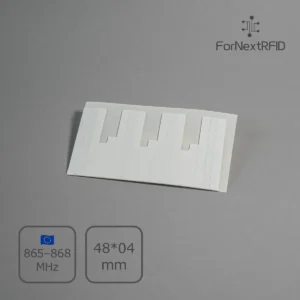
On-Metal On-Liquid RFID Label UHF 48×4mm | U8 | ETSI 865–868 MHz | Roll of 500 pcs
£175.00 - On-metal RFID Label
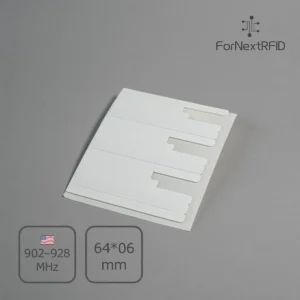
On-Metal On-Liquid RFID Label 64×6mm | NXP UCODE8 | FCC 902-928 MHz | Roll of 500 pcs
£170.00 - On-metal RFID Label
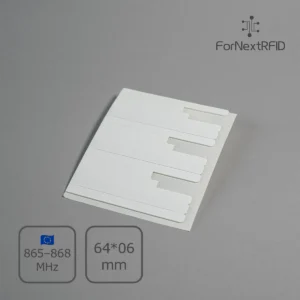
On-Metal On-Liquid RFID Label 64×6mm | NXP UCODE8 | ETSI 865–868 MHz | Roll of 500 pcs
£170.00 - On-liquid RFID Label
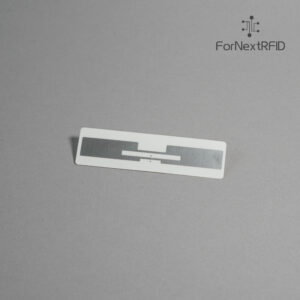
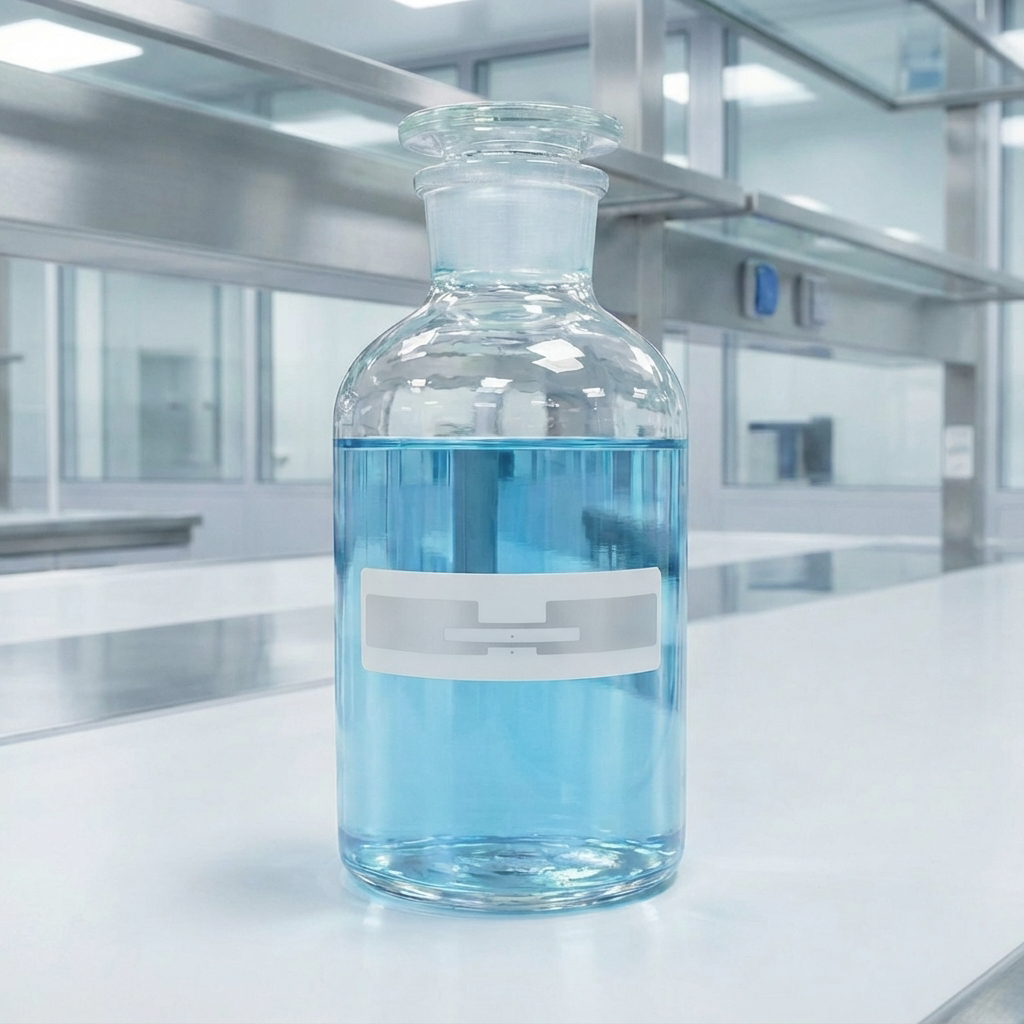
On-Liquid RFID Label 73×20mm | NXP UCODE8 | For Bottles & Moist Surfaces
£0.066 – £0.070 / label - RFID Flag Label
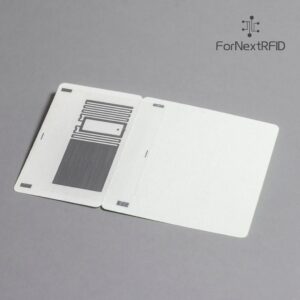
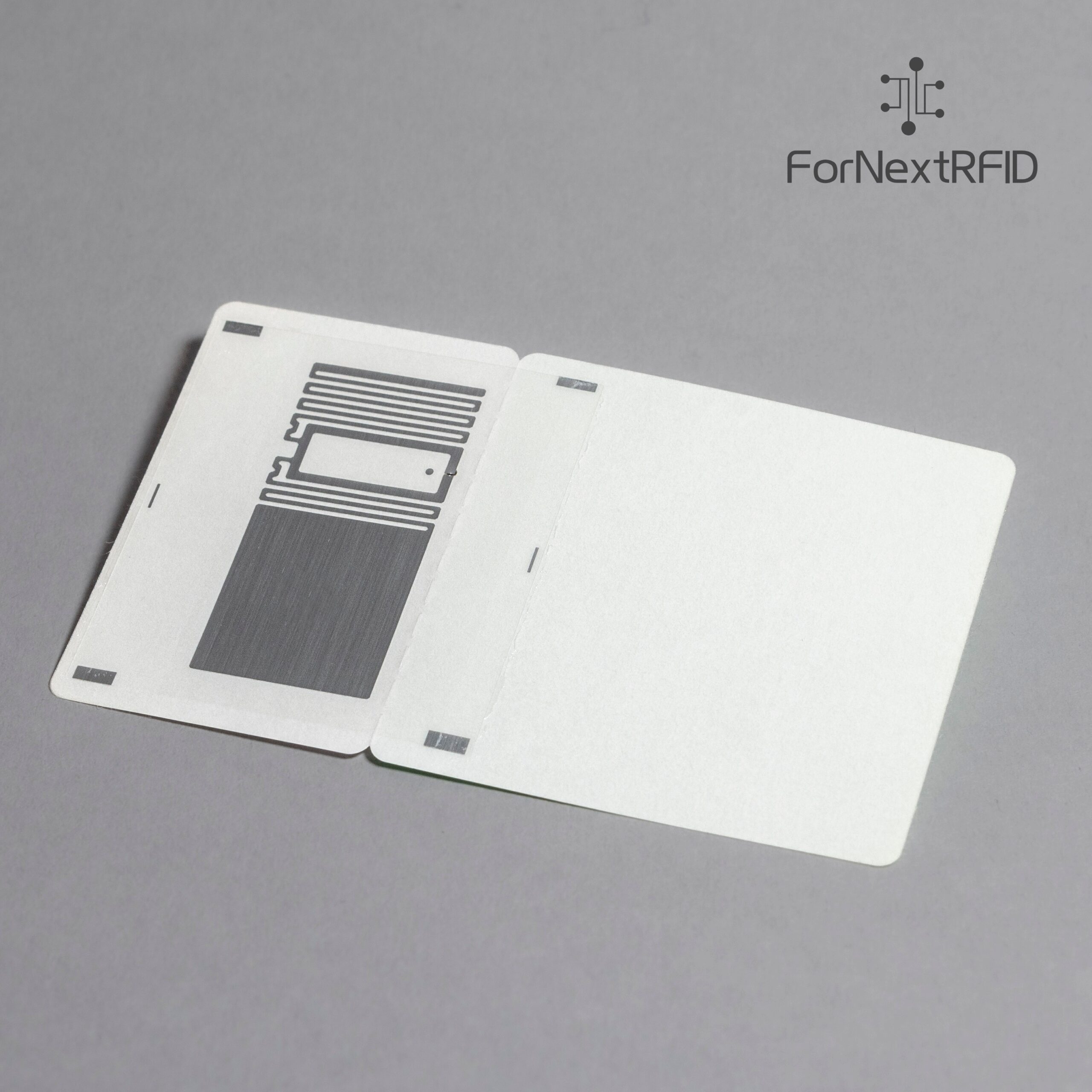
Flag RFID Label 82×50mm | Impinj M730 | Metal & Liquid Compatible
£0.090 – £0.130 / label - On-liquid RFID Label
Anti-Liquid UHF RFID Label 54×34mm | NXP UCODE® 9 | For Plastic Containers
£0.09
Our On-liquid RFID Labels Portfolio
We categorise our liquid-compatible solutions into three distinct engineering architectures to match your operational constraints.
Flag Tags
Air-Gap Isolation
Flag labels extend the antenna outward, creating a controlled air gap (typically 10–20 mm).
This prevents the high dielectric constant of liquids from collapsing antenna resonance.
Foam-Spacer Labels
Low-Dielectric Buffer Layern
Foam-spacer labels use a thick, low-dielectric foam block to lift the antenna off the surface.
Excellent stability on plastic, glass, metal, and liquid surface. Industrial-grade durability (often IP68).
Co-Designed Inlays
Low-Dielectric Buffer Layern
These tags are designed so the liquid itself becomes part of the antenna system.
Instead of avoiding liquid interference, they compensate for or utilise the dielectric properties of liquid.
HF / NFC Liquid Labels
HF/NFC systems
HF/NFC systems rely on magnetic coupling, which is far less affected by water or conductive liquids.
This makes HF/NFC naturally liquid-compatible even when UHF struggles.

Why We need On-liquid Labels?
Pain Points Solved
Liquids absorb RF energy
Especially saline, beverages, blood and cleaning products.
Bottle curvature makes tuning unpredictable
Curved wine bottles = inconsistent spacing between antenna and liquid.
Industrial chemical drums are the worst-case scenario
Metal (reflector) + liquid (absorber) = requires dual-optimised design.
Zero-error traceability
In healthcare sector, blood bags, IV fluid, vaccine vials - errors are unacceptable.
Strategic Insights from the Field
Successful deployment requires more than just buying a “liquid tag”. It requires an understanding of the environment.
The Alcohol Variance
Not all liquids behave the same. High-proof alcohol (spirits) has a lower dielectric constant than pure water or saline. A tag tuned for wine may underperform on vodka. Specific tuning is required.
The "Neck Rule"
Whenever possible, place the tag on the neck or cap of the bottle. The "headspace" (air gap) inside the bottleneck provides a natural buffer zone, significantly boosting read rates compared to body placement.
Fill level changes tag behaviour
A full bottle has a large mass of liquid pressed directly against the label, which affects the antenna in one way. Once the bottle becomes half-full, the liquid surface moves down, creating more air between the tag and the remaining liquid.
Appearance Matters for Premium Products
Flag-type tags perform extremely well on liquid containers because they lift the antenna away from the liquid. However, they stick out visibly from the bottle, which makes them unsuitable for premium products.
What These Labels Actually Enable
On-liquid RFID labels are now used across logistics, healthcare, retail and industrial environments to deliver accurate, reliable identification where standard tags fail.

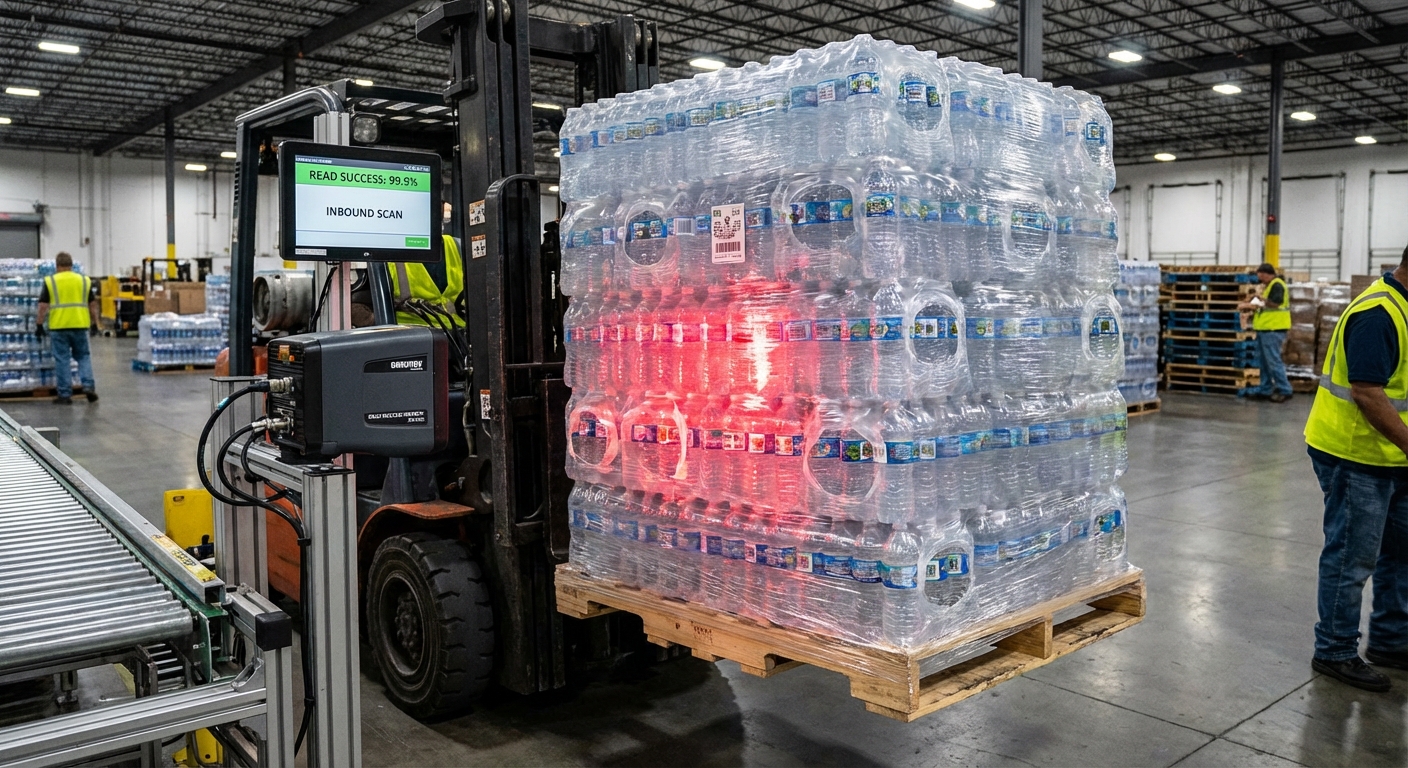
Reliable Pallet-Level Scanning in Beverage Distribution
Even when thousands of water bottles are stacked tightly on a pallet, liquid-optimised labels enable stable, real-time read performance during inbound and outbound handling.
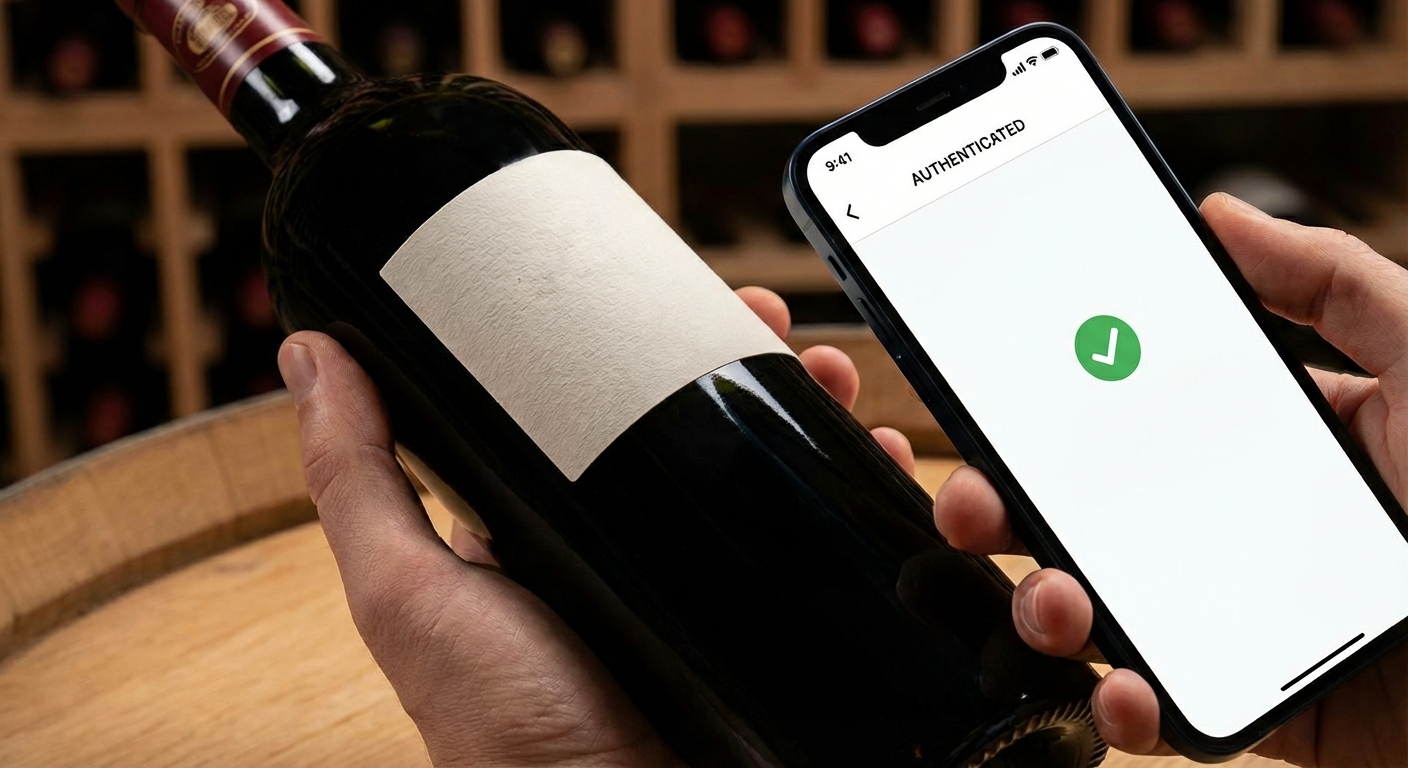
Secure Bottle Authentication for Wine and Spirits
Discreet UHF + NFC dual-frequency tags can be placed beneath the back label, supporting anti-counterfeit protection, traceability and consumer verification without altering the bottle’s appearance.
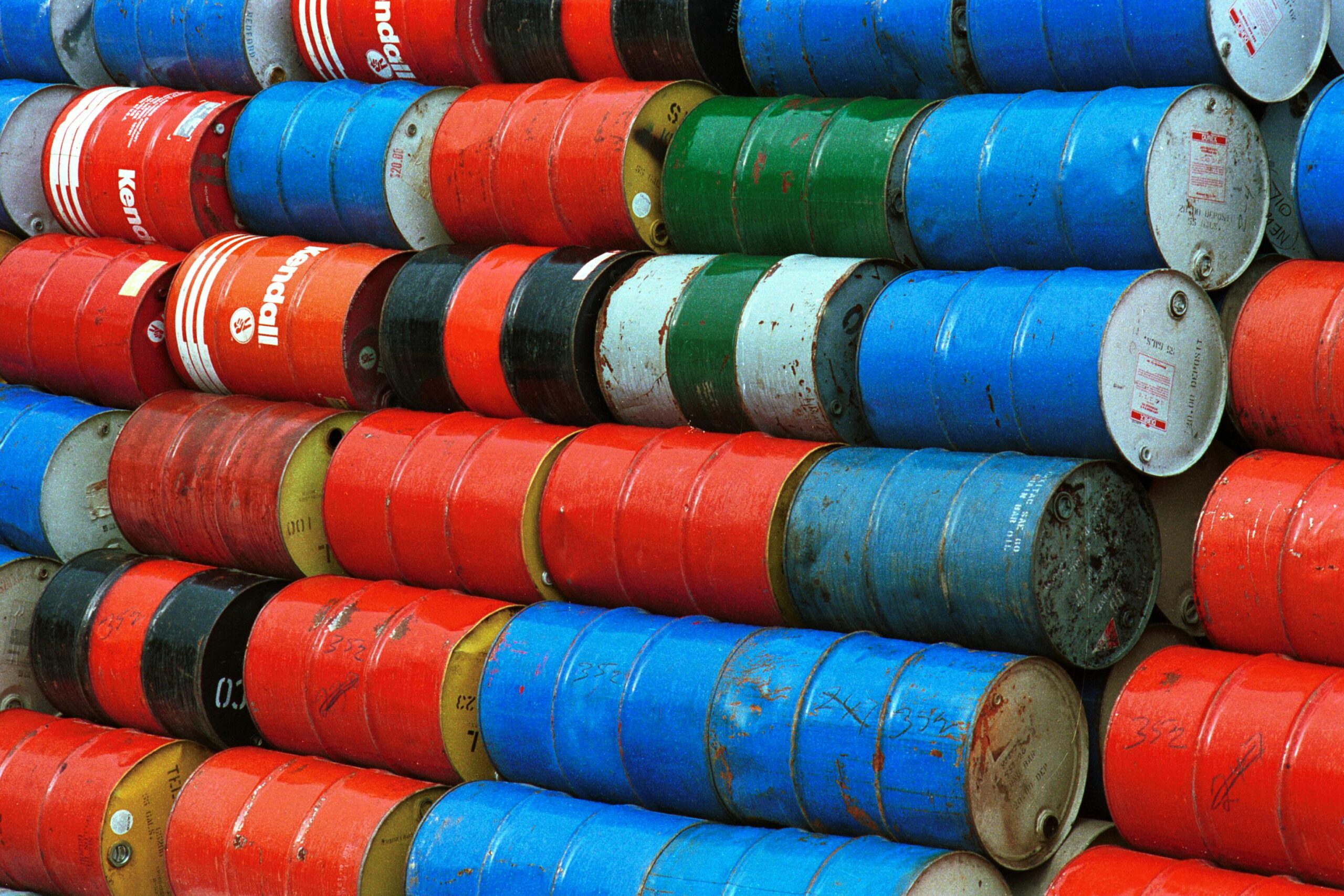
Full Compliance for Hazardous Chemical Drums
Industrial-grade on-liquid/on-metal tags ensure 100% read accuracy on chemical drums, meeting strict environmental and regulatory tracking requirements verified in EPA test programmes.
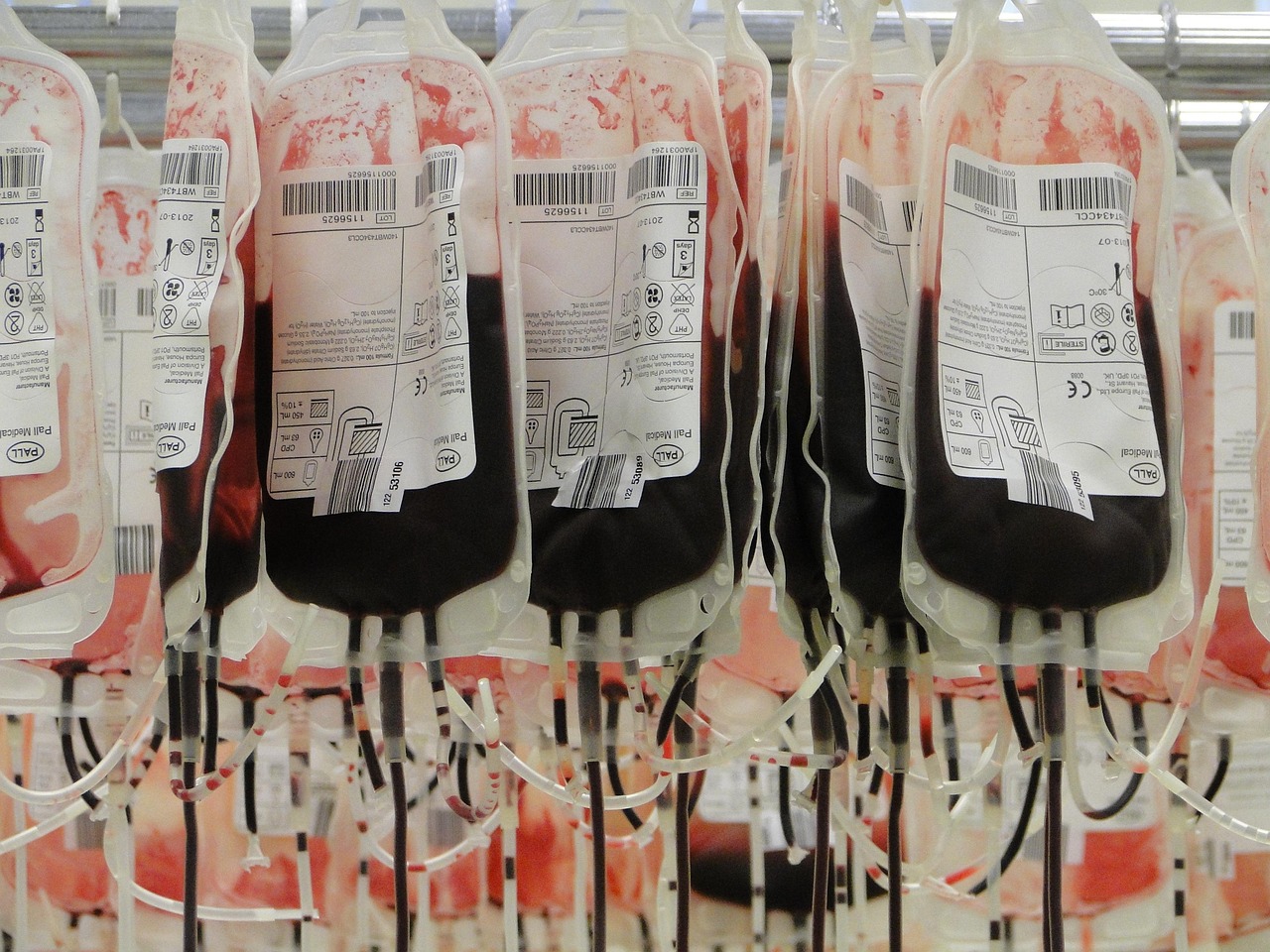
Reducing Blood Wastage in Hospitals
Automated RFID logging of blood bag check-in and check-out times helps clinical teams comply with the 30-minute rule, significantly lowering human error and improving patient safety.
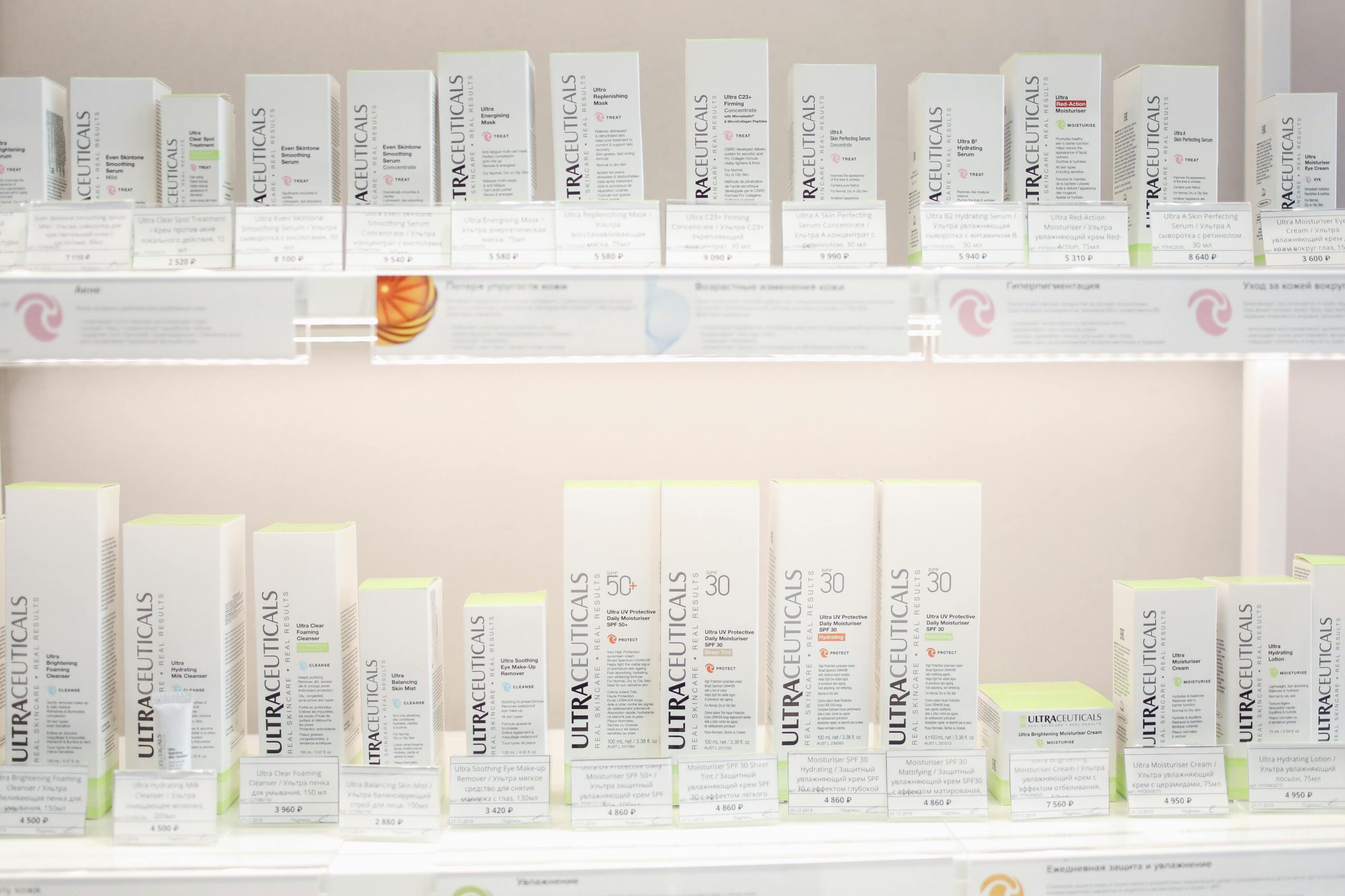
Accurate Shelf-Level Inventory for Retail and Cosmetics
Liquid-compatible labels allow handheld readers to capture item-level data on shampoos, lotions and cosmetic products quickly and reliably, even in dense shelf arrangements.

Automated Tracking for Pharmaceutical Vials and Laboratory Samples
Liquid-compatible near-field RFID labels enable precise, single-vial identification in densely packed pharmaceutical trays, preventing cross-reads and ensuring full traceability.
Frequently Asked Questions
A thin liquid-tuned UHF inlay or a dual-frequency NFC+UHF tag.
Not reliably. Different permittivity values require different tuning.
Yes—magnetic coupling is largely unaffected.
Thin inlays: 1–2 m
Foam-backed: 3–5 m
Flag tags: 6–8+ m
If tuned correctly, yes. Many luxury spirits brands do this.
Yes, especially for water-based liquids.
Use on-metal or hybrid designs.
Speak to Our Team
If you have a specific requirement or need help choosing the right label format, our UK-based team is here to assist. Share your project details and we’ll guide you to the best option.