

 Anti-Counterfeit & EAS RFID Label
UHF RFID EAS Anti Tamper Tag | Reusable ABS Security Tag with EAS Lock
- Anti-Counterfeit & EAS RFID Label
UHF RFID Metal Cable Tie Tag | ABS Head with Stainless Steel Strip
- Anti-Counterfeit & EAS RFID Label
UHF RFID Steel Wire Seal Tag | Compact ABS Security Seal
- Anti-Counterfeit & EAS RFID Label
UHF RFID Steel Wire Seal Tag | Large ABS Security Seal 80×50mm
- Asset Tracking
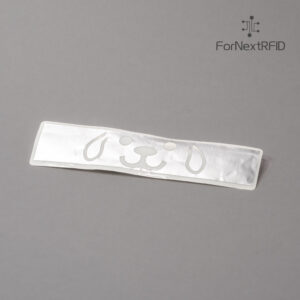
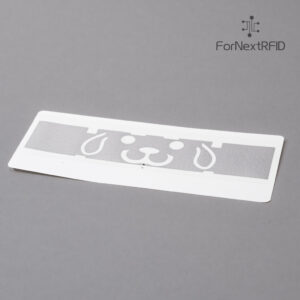
Full-Destruct Tamper-Evident RFID Label UHF 96×23mm | U8 | Self-destructs upon removal
£0.210 – £0.230 / label - Anti-Counterfeit & EAS RFID Label
Anti-Counterfeit NFC Label NXP NTAG® 424 DNA | NFC Type 4 | Ø18mm
- Anti-Counterfeit & EAS RFID Label
Anti-Counterfeit NFC Label NXP NTAG® 424 DNA | NFC Type 4 | Ø30mm
- Anti-Counterfeit & EAS RFID Label
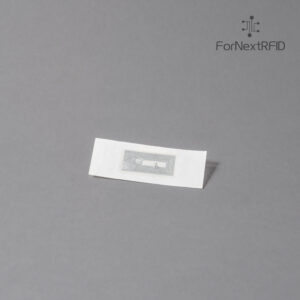
Tamper-Evident NFC Packaging Seal Label | NXP NTAG® 424 DNA TagTamper | 25 × 51mm
- UHF RFID Label
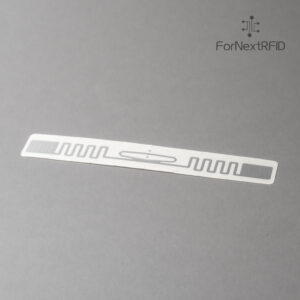
Tamper-Evident UHF RFID Label with Security Cuts 98×15mm | Monza R6-P | Slim
£0.120 – £0.200 / label - Vehicle Windshield RFID Label
Tamper-Evident UHF Windshield RFID Label with Security Cuts 100×28mm | Alien H9 | Long-Range 12–15m
£0.112 / label - Vehicle Windshield RFID Label
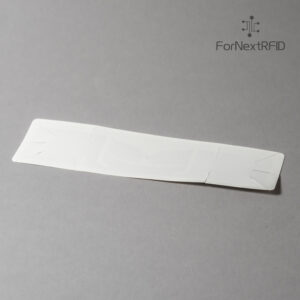
Tamper-Evident Windshield RFID Label UHF 98×40mm | U8 | Self-destructs upon removal
£0.200 – £0.220 / label - Asset Tracking
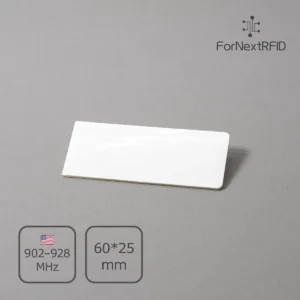
Tamper-Evident On-Metal RFID Label 60×25mm | UCODE 8 | FCC 902-928 MHZ | Roll of 500 pcs
£180.00



- Anti-Counterfeit & EAS RFID Label
UHF RFID EAS Anti Tamper Tag | Reusable ABS Security Tag with EAS Lock
- Anti-Counterfeit & EAS RFID Label
UHF RFID Metal Cable Tie Tag | ABS Head with Stainless Steel Strip
- Anti-Counterfeit & EAS RFID Label
UHF RFID Steel Wire Seal Tag | Compact ABS Security Seal
- Anti-Counterfeit & EAS RFID Label
UHF RFID Steel Wire Seal Tag | Large ABS Security Seal 80×50mm
- Asset Tracking
Full-Destruct Tamper-Evident RFID Label UHF 96×23mm | U8 | Self-destructs upon removal
£0.210 – £0.230 / label - Anti-Counterfeit & EAS RFID Label
Anti-Counterfeit NFC Label NXP NTAG® 424 DNA | NFC Type 4 | Ø18mm
- Anti-Counterfeit & EAS RFID Label
Anti-Counterfeit NFC Label NXP NTAG® 424 DNA | NFC Type 4 | Ø30mm
- Anti-Counterfeit & EAS RFID Label
Tamper-Evident NFC Packaging Seal Label | NXP NTAG® 424 DNA TagTamper | 25 × 51mm
- UHF RFID Label
Tamper-Evident UHF RFID Label with Security Cuts 98×15mm | Monza R6-P | Slim
£0.120 – £0.200 / label - Vehicle Windshield RFID Label
Tamper-Evident UHF Windshield RFID Label with Security Cuts 100×28mm | Alien H9 | Long-Range 12–15m
£0.112 / label - Vehicle Windshield RFID Label
Tamper-Evident Windshield RFID Label UHF 98×40mm | U8 | Self-destructs upon removal
£0.200 – £0.220 / label - Asset Tracking
Tamper-Evident On-Metal RFID Label 60×25mm | UCODE 8 | FCC 902-928 MHZ | Roll of 500 pcs
£180.00
- Anti-Counterfeit & EAS RFID Label
UHF RFID EAS Anti Tamper Tag | Reusable ABS Security Tag with EAS Lock
- Anti-Counterfeit & EAS RFID Label
UHF RFID Metal Cable Tie Tag | ABS Head with Stainless Steel Strip
- Anti-Counterfeit & EAS RFID Label
UHF RFID Steel Wire Seal Tag | Compact ABS Security Seal
- Anti-Counterfeit & EAS RFID Label
UHF RFID Steel Wire Seal Tag | Large ABS Security Seal 80×50mm
- Asset Tracking
Full-Destruct Tamper-Evident RFID Label UHF 96×23mm | U8 | Self-destructs upon removal
£0.210 – £0.230 / label - Anti-Counterfeit & EAS RFID Label
Anti-Counterfeit NFC Label NXP NTAG® 424 DNA | NFC Type 4 | Ø18mm
- Anti-Counterfeit & EAS RFID Label
Anti-Counterfeit NFC Label NXP NTAG® 424 DNA | NFC Type 4 | Ø30mm
- Anti-Counterfeit & EAS RFID Label
Tamper-Evident NFC Packaging Seal Label | NXP NTAG® 424 DNA TagTamper | 25 × 51mm
- UHF RFID Label
Tamper-Evident UHF RFID Label with Security Cuts 98×15mm | Monza R6-P | Slim
£0.120 – £0.200 / label - Vehicle Windshield RFID Label
Tamper-Evident UHF Windshield RFID Label with Security Cuts 100×28mm | Alien H9 | Long-Range 12–15m
£0.112 / label - Vehicle Windshield RFID Label
Tamper-Evident Windshield RFID Label UHF 98×40mm | U8 | Self-destructs upon removal
£0.200 – £0.220 / label - Asset Tracking
Tamper-Evident On-Metal RFID Label 60×25mm | UCODE 8 | FCC 902-928 MHZ | Roll of 500 pcs
£180.00
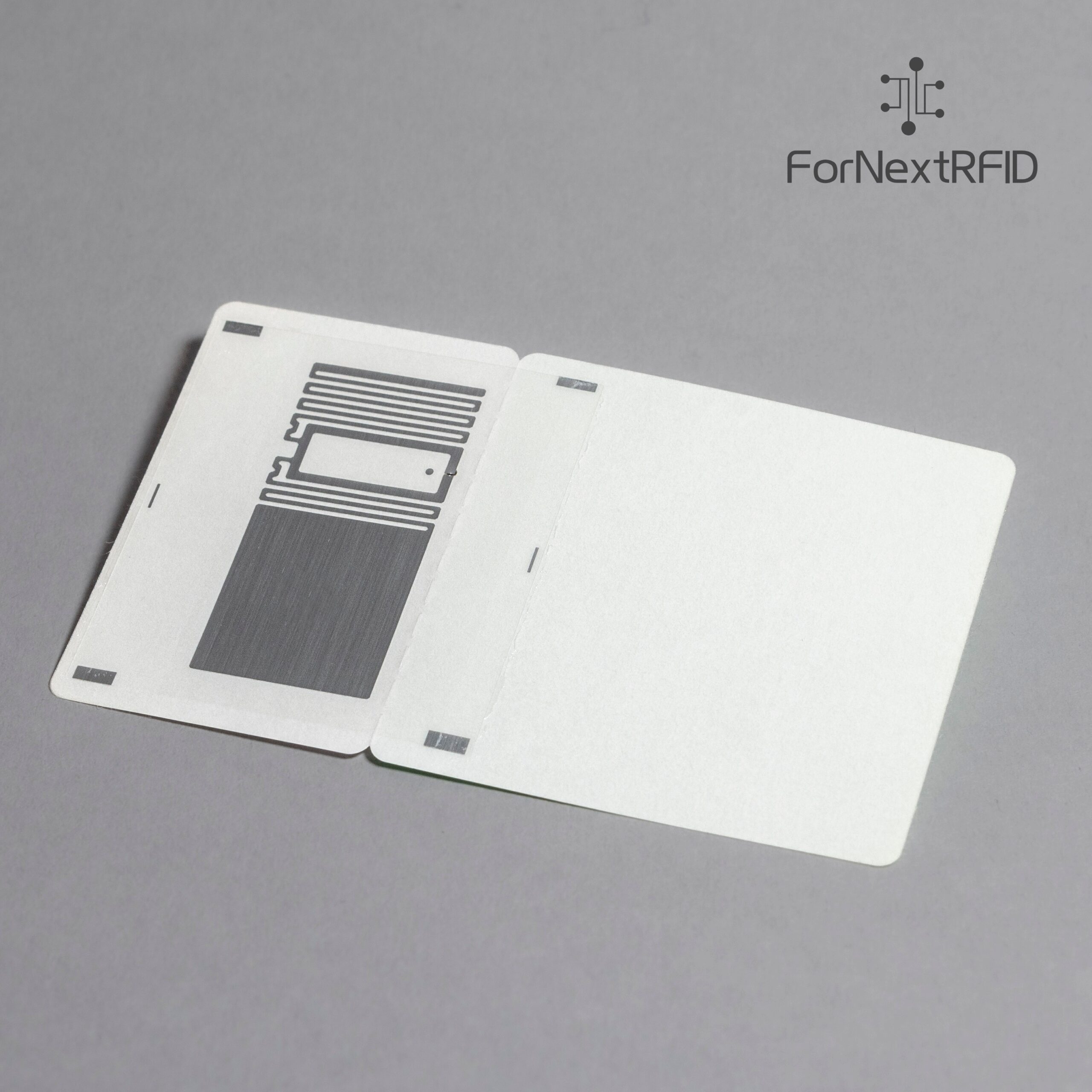

Box Seals for Cosmetics, Pharma and Consumer Goods
NFC and UHF seal labels can bridge carton openings and box edges, linking each pack to digital information while helping prevent unauthorised opening, replacement or label transfer
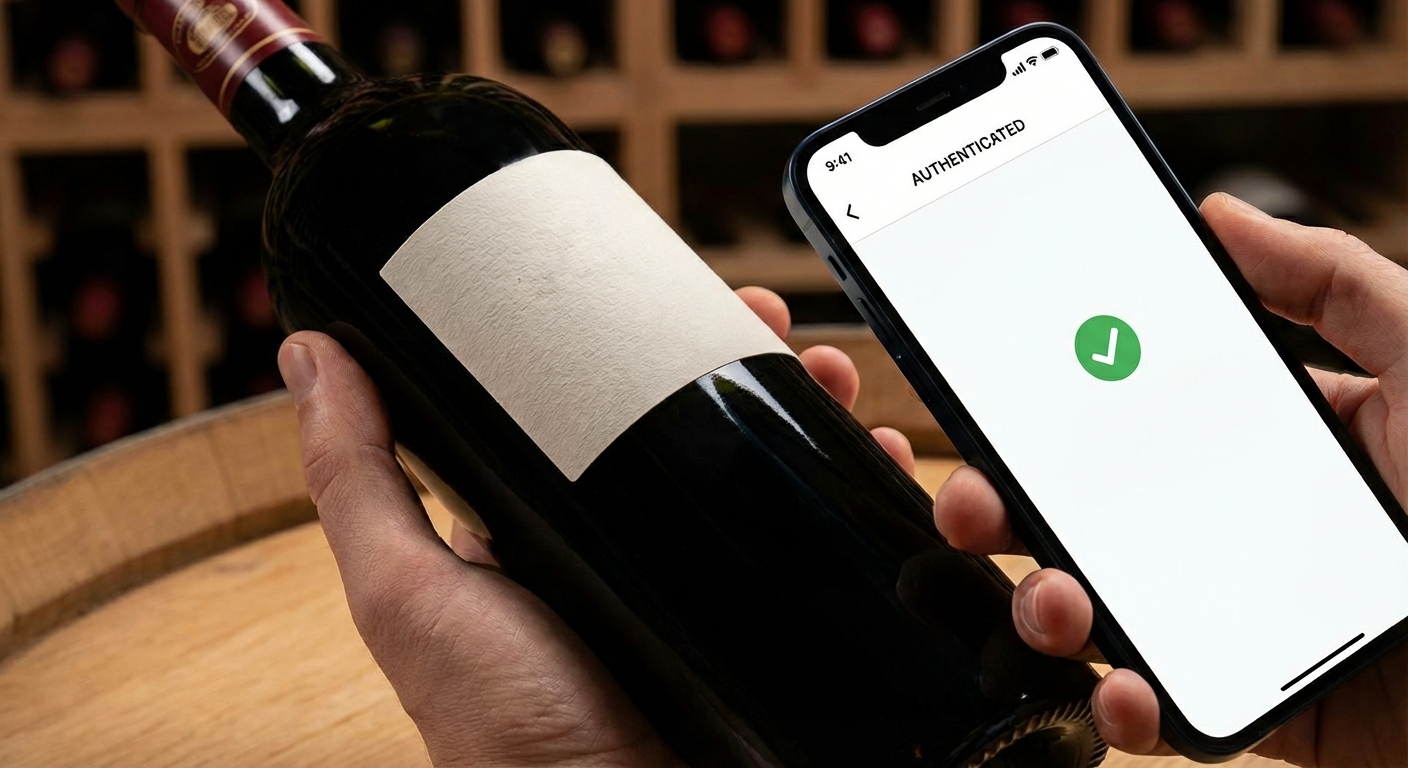
Secure Bottle Authentication for Wine and Spirits
Tamper-evident NFC labels can be applied across caps, closures or bottle labels, supporting anti-counterfeit protection, traceability and consumer verification while helping show whether a package has been opened.

Destructible Windshield Labels for Vehicle Access and Identification
UHF or NFC windshield labels are widely used for parking permits, fleet access and vehicle identification. Once removed, the label is damaged, helping prevent transfer from one vehicle to another

Full-Wrap Seals for Caps, Lids and Containers
Full-wrap tamper-evident labels can run around lids, caps or closure areas, making it difficult to open, refill or reseal the package without visible or electronic evidence of tampering.

Warranty and Anti-Tamper Protection for Electronics and Devices
Tamper-evident RFID labels can be applied to devices, covers or service points to support warranty control, service records and product authentication while discouraging unauthorised opening or part replacement.

Secure Packaging for High-Value and Regulated Products
For pharmaceuticals, supplements, luxury goods and specialty products, tamper-evident NFC and UHF labels help protect product integrity, support compliance and enable secure checks from distribution to end use