
Laundry RFID Label
Our laundry tags are engineered to survive the harshest cleaning cycles—over 200 washes, high-pressure extraction, chemical detergents, and industrial ironing
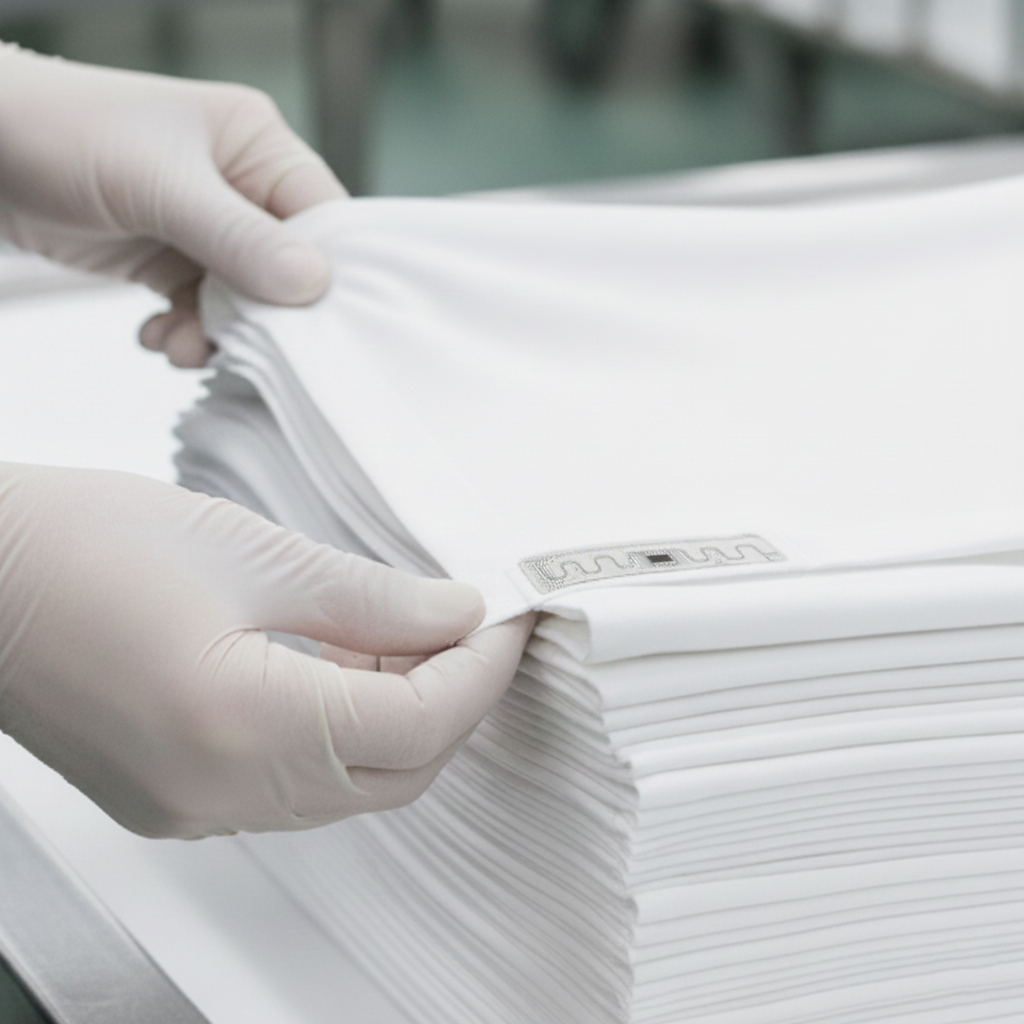
About Laundry RFID Labels
Stop Losing Linen. Start Gaining Control.
Industrial laundries, hospitals, and hospitality operations lose thousands of pounds every year due to manual tracking errors, linen misplacement, and inventory inefficiencies. At ForNext RFID, we understand these challenges because we’ve built our laundry RFID solutions around them.
Our UHF laundry tags are engineered to survive the harshest cleaning cycles – over 200 washes, high-pressure extraction, chemical detergents, and industrial ironing – while delivering reliable performance, long read range, and full traceability.
15-20%
Linen Loss & Theft
The "black hole" of linen loss from theft, accidental disposal, or logistics errors costs you a fortune.
24/7
Poor reads on CDs/DVDs
Generic tags struggle on media items that require specialised antenna design.
30-40%
Wasted Labor
Time spent on manual counting, sorting, and searching for lost items is pure overhead.
Solving Industry Problems with RFID
Manual tracking isn't just slow. It's incredibly expensive. These are the daily challenges that RFID technology directly solves, based on deep industry analysis.
The RFID-Powered Laundry Workflow
1
Tagging
Each textile (linen, uniform, mat) is securely fitted with a durable RFID tag.
2
Soiled Collection
Bags of soiled linen are scanned instantly at the client site or upon arrival at the laundry. No manual counting.
3
Automated Sorting
Scanners automatically sort items by type, customer, or required wash process, slashing labor costs.
4
Wash Cycle Tracking
Our tags withstand the entire process, allowing you to track each item's wash lifecycle to optimize quality and purchasing.
5
Clean Shipping
Final orders are scanned as they are packed, ensuring 100% order accuracy before they are dispatched. No more short-ships
Tags Built for the Toughest Environments
A laundry tag is not a standard RFID tag. It must survive. We are experts in the specific engineering required for high-pressure, high-temperature, and chemically harsh environments.
Extreme Durability
Designed to withstand 200+ wash cycles, high-pressure extraction, and temperatures up to 220°C (428°F).
Flexible & Discreet
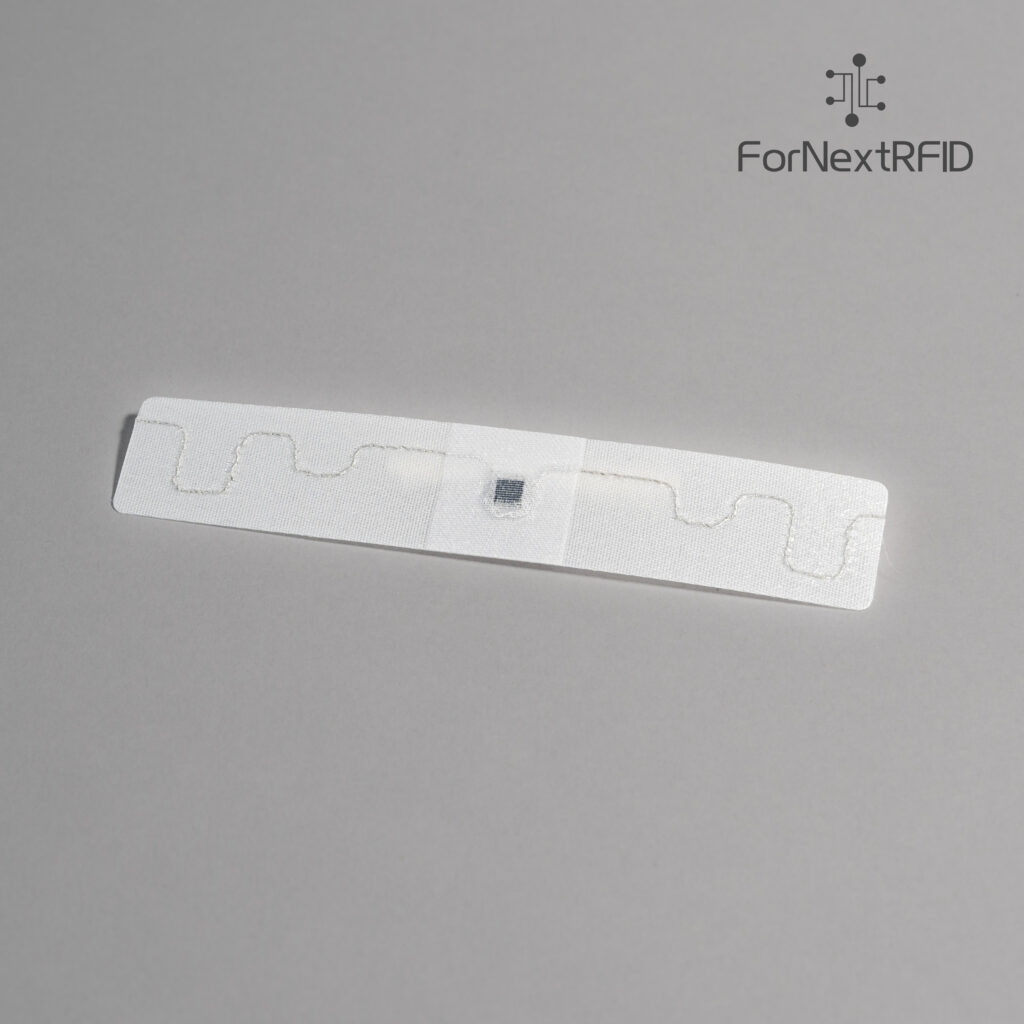
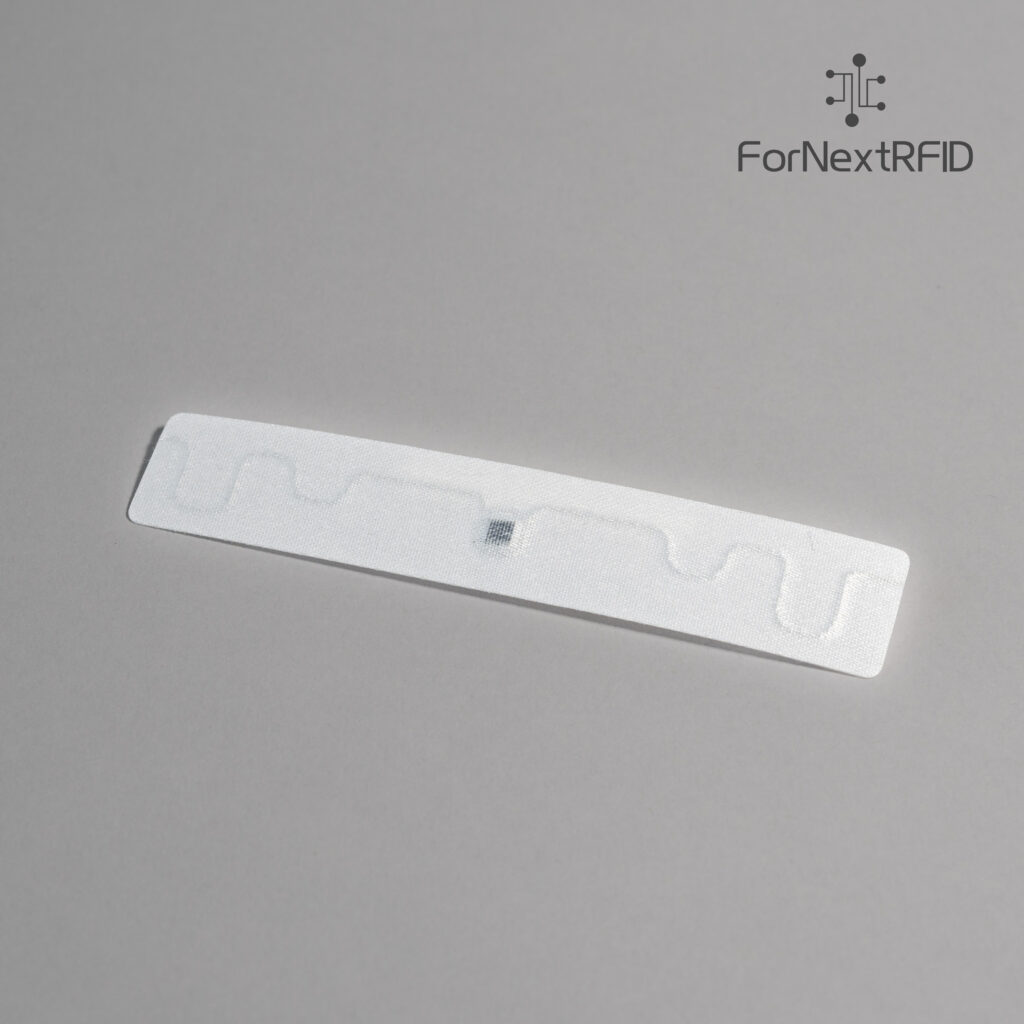
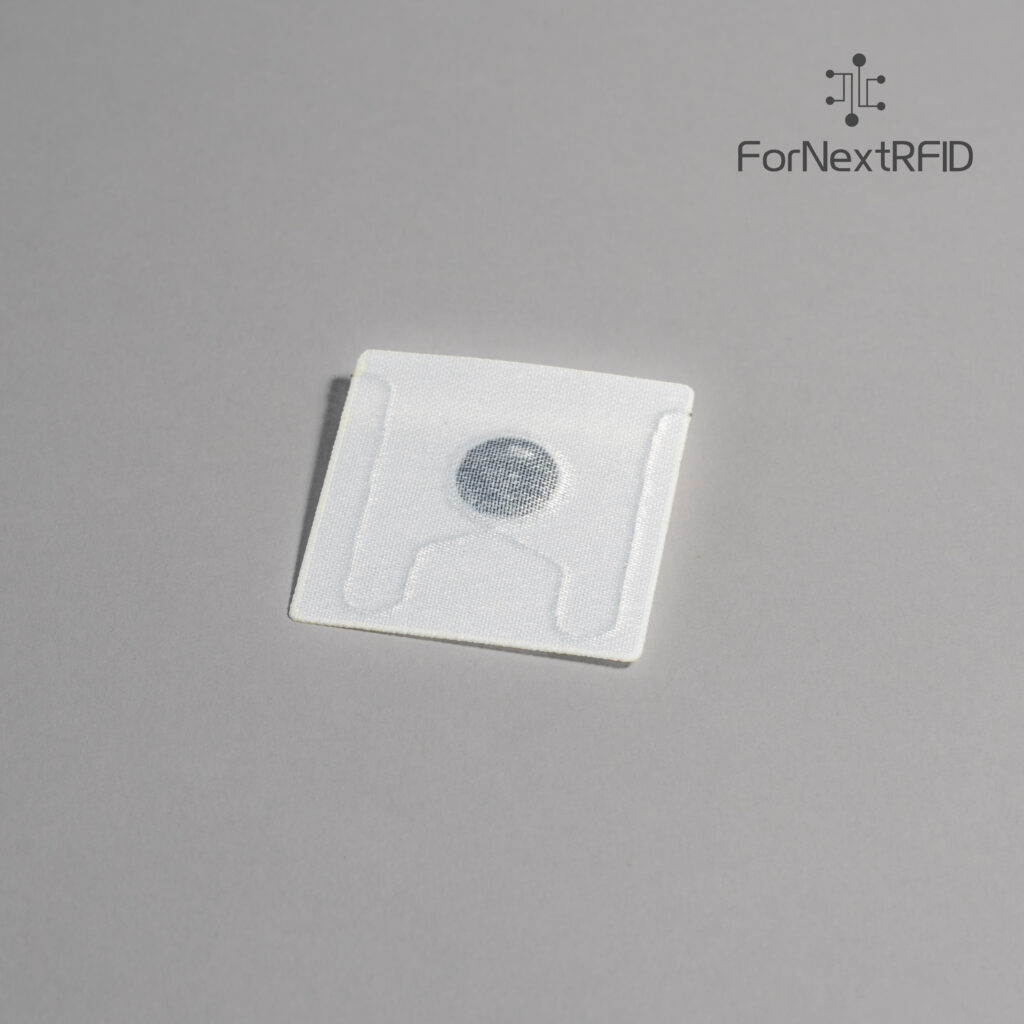
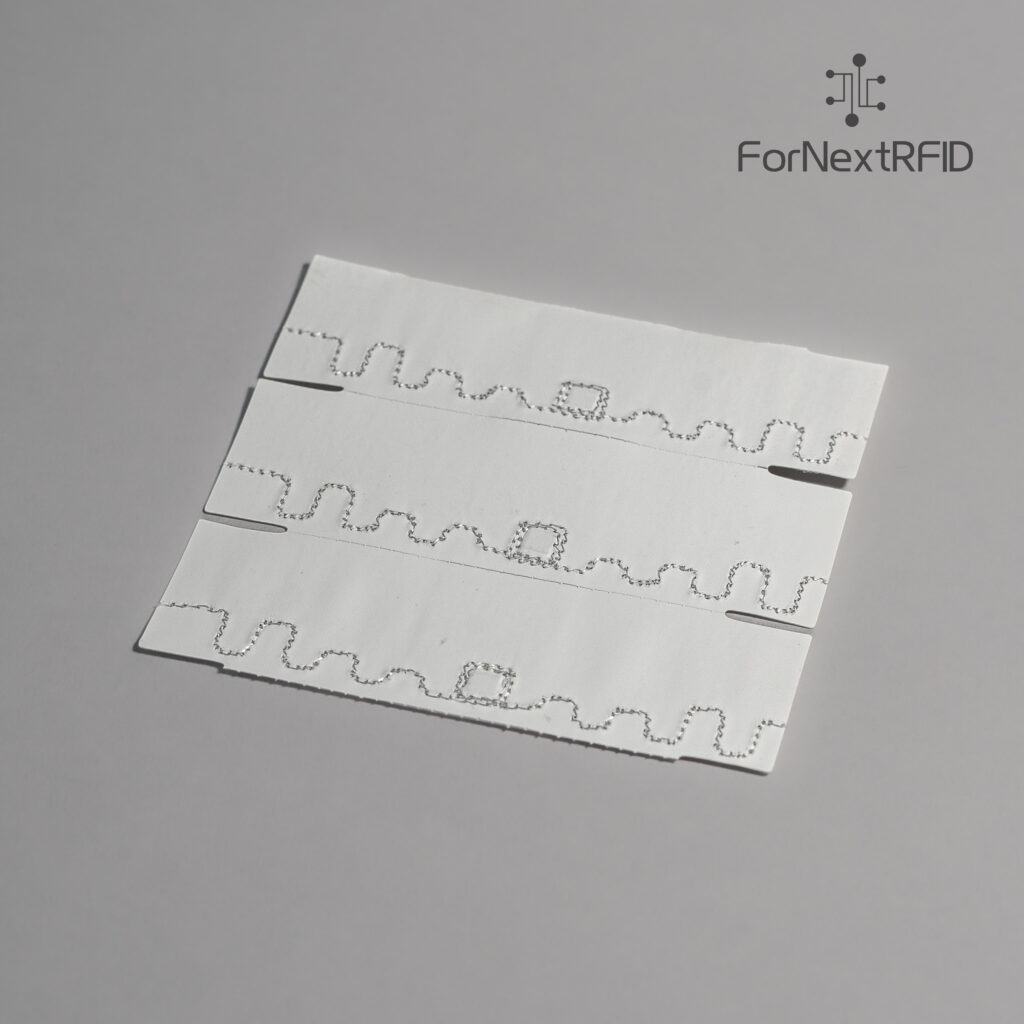
Available in multiple formats: flexible sew-in, discreet heat-seal, or removable pouch tags
Superior Read Performance
High-sensitivity chips ensure exceptional read rates, even when tags are wet, stacked, or densely packed.
Specialty Applications
We provide expert solutions for unique challenges, including HF tags for uniform check-out and MRI-safe tags for healthcare.
RFID Laundry Tag Product Finder
 Laundry & Textile
UHF Sew-in/Heat-seal Laundry Label 36×11mm (UCODE 8)
- Laundry RFID Label
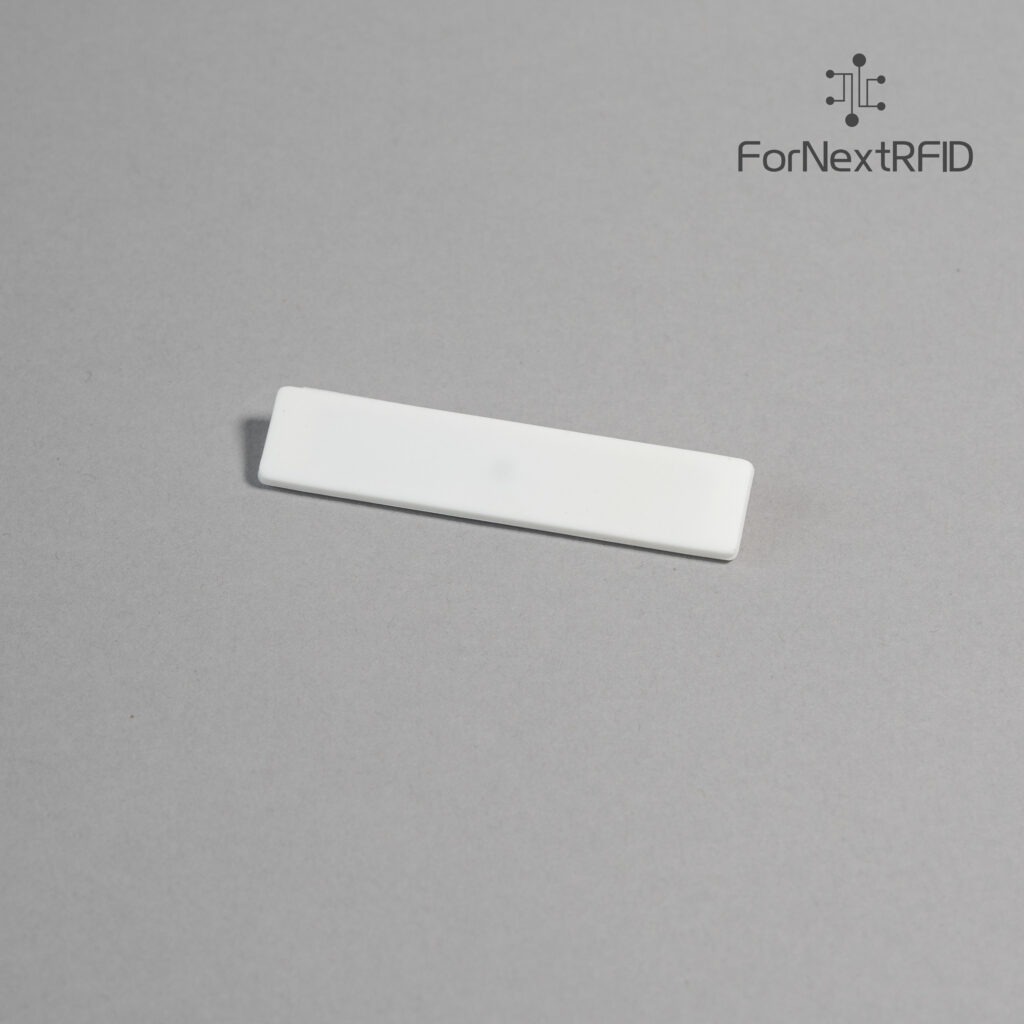
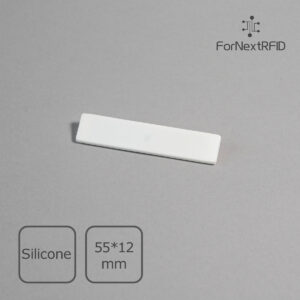
Silicone RFID Laundry Tag UHF ALIEN H4 55×12mm
- Laundry & Textile
RFID Laundry Label Sew-In UHF UCODE9 86×16mm
- Laundry & Textile
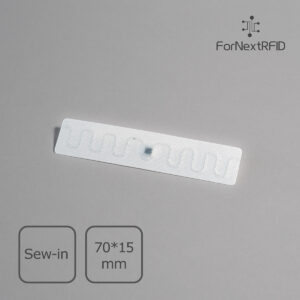
RFID Laundry Label Sew-In UHF UCODE9 70×15mm
- UHF RFID Label
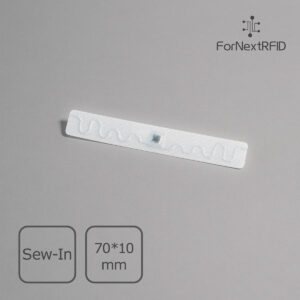
RFID Laundry Label Sew-In UHF UCODE9 70×10mm
- Laundry & Textile
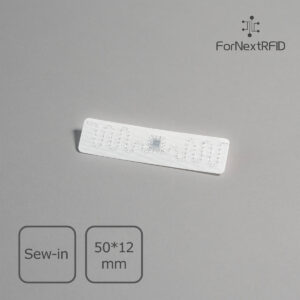
RFID Laundry Label Sew-In UHF UCODE9 50×12mm
- Laundry RFID Label
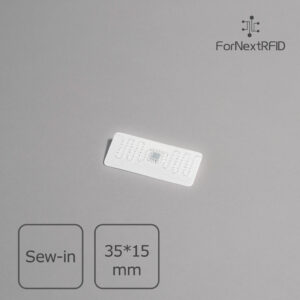
RFID Laundry Label Sew-In UHF UCODE9 35×15mm
- Laundry RFID Label
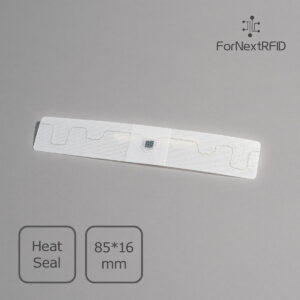
RFID Laundry Label Heat-Sealed UHF UCODE9 86×16mm
- Laundry & Textile
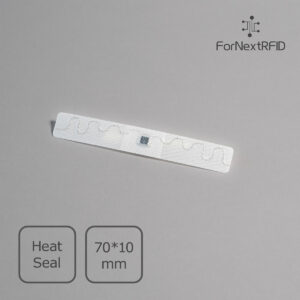
RFID Laundry Label Heat-Sealed UHF UCODE9 70×10mm
- Laundry & Textile
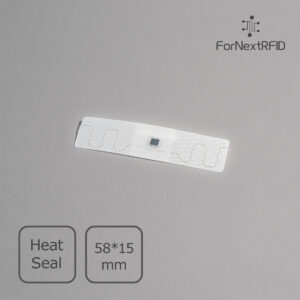
RFID Laundry Label Heat-Sealed UHF UCODE9 58×15mm
- Laundry RFID Label
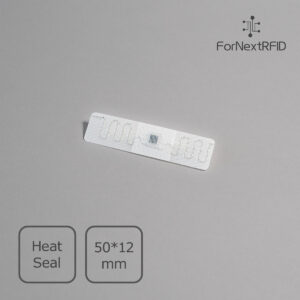
RFID Laundry Label Heat-Sealed UHF UCODE9 50×12mm
Frequently Asked Questions
UHF (860-960 MHz): Best for bulk reading and inventory visibility (e.g., scanning an entire dirty linen cart at once). Provides long-range, fast reads.
HF (13.56 MHz): Best for single-item, precision transactions (e.g., employee uniform check-out/check-in kiosks). HF offers shorter, highly reliable read ranges, minimizing the chance of reading adjacent tags—ideal for high-value garment management systems.
Our Expertise: We recommend a hybrid system for uniform tracking: UHF for bulk inventory audit/shipping and HF for dispensing/return points.
Read reliability is primarily determined by three factors: the Antenna Design, the Chip’s Read Sensitivity, and the Tag’s Detuning Resistance. Our tags feature specialized dipole antennas optimized for textile environments and utilize high-sensitivity chips (e.g., Impinj M700 series). Crucially, the tag structure is engineered to resist detuning (a loss of frequency efficiency) when wet, stacked, or compressed in bundles, ensuring a high accuracy rate even under challenging conditions.
Sew-In: Offers maximum physical protection and is preferred for high-abrasion items like industrial mats and workwear. The polyester pouch acts as an extra buffer against mechanical stress.
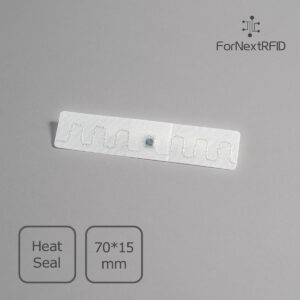
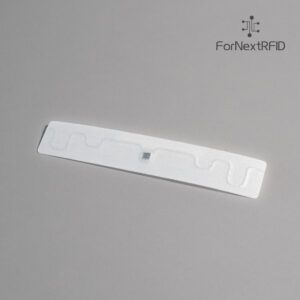
Heat-Seal: Highly discreet and faster to install, ideal for flat linen (sheets/towels). While slightly less bulky, its performance remains robust, provided the heat-seal adhesive forms a perfect seal to prevent chemical intrusion. Read performance is consistent between formats if the correct antenna size is chosen for the textile.
Absolutely. Our transponders are sealed using specialized thermoplastic elastomers or durable PPS casings to achieve an IP68 rating, meaning they are fully protected against continuous immersion. The tags are specifically designed to remain functional under the high hydraulic pressures and rapid acceleration forces experienced during the wash and high-speed water extraction phases.
Yes, we offer certified MRI-Safe tags. Achieving MRI safety means the tag must contain zero ferromagnetic materials. We use specialized tags constructed exclusively with carbon-based components for the antenna and bonding. This ensures the tag is 100% non-magnetic, eliminating the risk of movement or heating when the textile passes into the high magnetic field of an MRI scanner.
The tag size must balance discreetness with antenna power.
Large Textiles (Duvets, Tablecloths): We recommend a larger tag/antenna footprint (e.g., 70mm x 15mm) to maximize the read range and coupling with the reader antenna.
Small Garments (Scrubs, Aprons): A small, flexible tag (e.g., 55mm x 12mm) is necessary for wearer comfort and to fit discreetly within hems or seams.
Our consultancy service focuses on selecting the smallest possible tag that still meets your required read distance.
Speak to Our Team
If you have a specific requirement or need help choosing the right label format, our UK-based team is here to assist. Share your project details and we’ll guide you to the best option.