

When people talk about “RFID cards”, they often mean very different technologies. Some cards are used for door access in an office, some are used for contactless payment, and others are designed for long-range gate control or tolling. Behind these use cases sit three main frequency families: LF (125 kHz), HF (13.56 MHz) and UHF (860–960 MHz). Understanding the differences between these RFID card types helps you choose the right solution for your project and avoid compatibility problems later.
In practice, RFID cards are built on three main frequency families:
- Low Frequency (LF) around 125–134.2 kHz
- High Frequency (HF) at 13.56 MHz, including NFC
- Ultra High Frequency (UHF) between 860–960 MHz
Overview of RFID card frequency families
At a high level:
- LF RFID cards
- Short read range, usually a few centimetres
- Very robust near metal and liquids
- Used mainly in legacy access control and animal ID
- HF RFID cards (13.56 MHz, NFC)
- Short, controlled read range, typically 2–10 cm
- Strong standards and security, works with NFC phones
- Dominant in transport, hospitality, education and payment
- UHF RFID cards (860–960 MHz)
- Long read range, typically 1–8 metres with fixed readers
- Supports fast bulk reading of many tags
- Used for logistics, warehousing and vehicle access
The following sections look at each family in more detail.
Low Frequency RFID(LF 125 kHz)
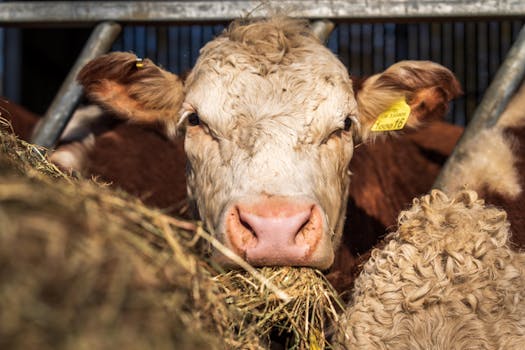
LF RFID cards typically operate around 125 kHz and use simple modulation schemes. Read ranges are usually a few centimetres and the data capacity is quite small, but the technology is very robust in the presence of water and metal. That is why you still see LF cards in older building access systems, parking garages and animal ID transponders.
From an application point of view, LF cards are good for basic access control and identification where you only need to read a card number and check it against a database. Many legacy hotel and office systems are based on EM or HID Prox-style chips at 125 kHz. The downside is that most LF cards are proprietary, support only simple security and cannot be used for modern services like public transport or mobile wallet integration. If you are upgrading a site, LF is usually kept only for backwards compatibility.
Because of this robustness, LF is still common in:
- Older building and site access systems
- Car park barriers
- Industrial environments with a lot of metal
- Animal identification transponders
From a project point of view, LF cards are suitable where you only need to read a fixed card number and check it against a database, for example with a stand-alone door controller. Many legacy hotel and office systems use EM or HID Prox-style LF chips at 125 kHz.
The limitations are significant:
- Most LF technologies are proprietary
- Data capacity is low
- Security features are basic compared with modern smart cards
- Integration with public transport, contactless payment or mobile wallets is not supported
As a result, new projects rarely start with LF cards. They are mainly kept for backwards compatibility, for example when you replace cards but want to avoid changing all door controllers and readers at once.
High Frequency RFID(HF 13.56 MHz)
HF RFID cards at 13.56 MHz are the workhorse of modern smart card infrastructure. This band includes MIFARE, DESFire and many other open and proprietary technologies. It also covers NFC, the same technology used in smartphones and contactless bank cards. Standards such as ISO/IEC 14443 define close-coupling smart cards for transport and payments, while ISO/IEC 15693 defines vicinity cards with slightly longer range for library and healthcare uses.
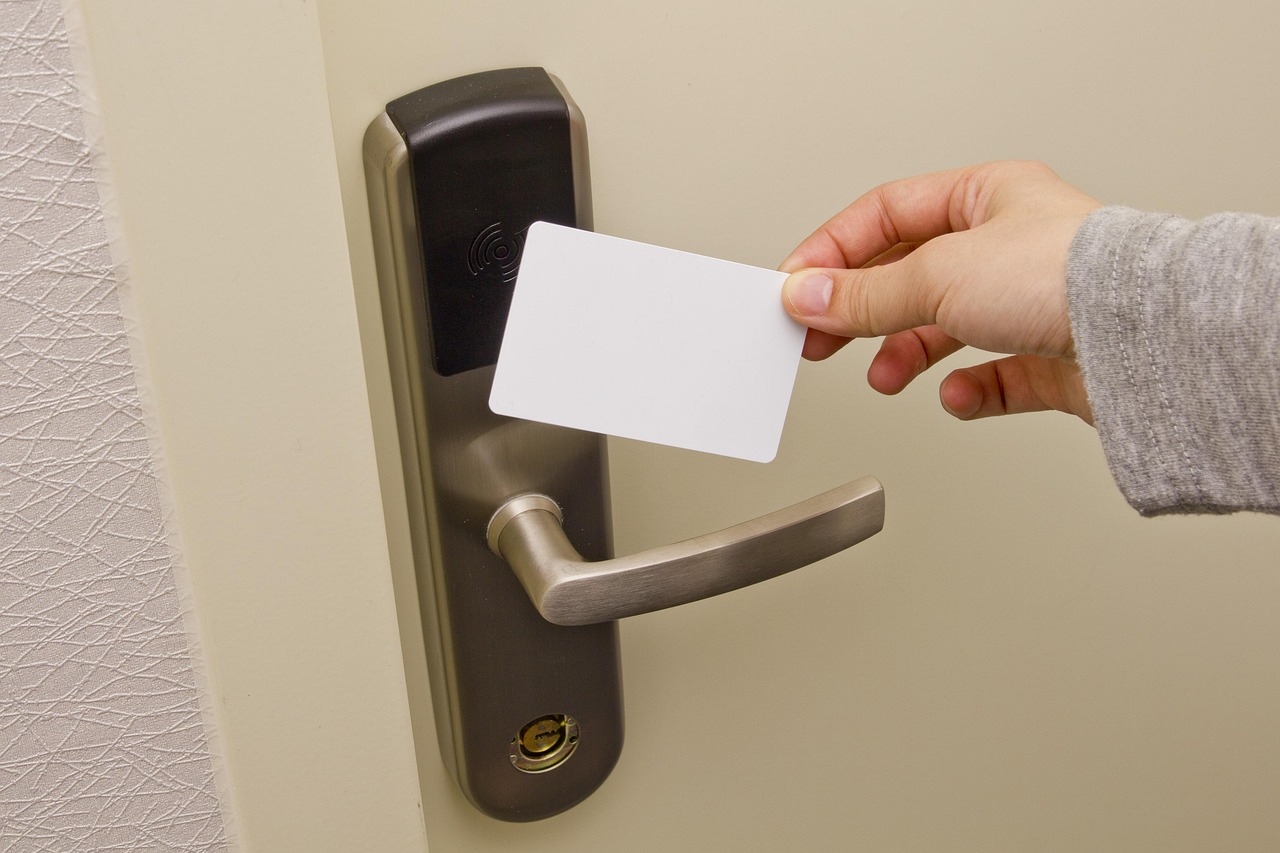
In practice, HF RFID cards are used in city transport cards, campus IDs, hotel keycards, loyalty and gift cards, closed-loop payment and secure access control. They offer better security features than LF, including mutual authentication and strong encryption, which makes them suitable for financial and government use. HF cards are also a natural choice when you want direct interaction with phones – for example, tapping a card to open a web page or to pair with a mobile app.
Read range for HF cards is usually up to 10 cm with standard readers, which keeps transactions controlled and secure. This is ideal for ticket gates, turnstiles and point-of-sale terminals where you want the user to present one card at a time rather than triggering tags in the surrounding area.
Key standards include:
- ISO/IEC 14443 for proximity cards used in transport and payment
- ISO/IEC 15693 for vicinity cards with slightly longer but still controlled range, used in libraries, healthcare and industry
HF RFID cards are widely used for:
- City transport and metro cards
- Campus and staff ID badges
- Hotel room key cards
- Loyalty and gift cards
- Closed-loop payment in canteens or vending
- Secure building and IT access control
Compared with LF, HF supports:
- Stronger security, including mutual authentication and modern encryption
- Multiple logical applications on one card (for example access plus payment)
- Direct interaction with NFC-enabled phones
This makes HF a natural choice when you want users to tap a card to:
- Pass through a gate or turnstile
- Pay for a journey or a meal
- Open a web page or launch a mobile app
With typical readers, HF card read range is around 2 to 10 centimetres. This short range is intentional. It reduces the risk of reading a card in a pocket by mistake and helps make sure only one card is processed at a time at payment terminals and ticket barriers.
Ultra High Frequency RFID(UHF 860–960 MHz)
UHF RFID, operating roughly between 860 and 960 MHz, is designed for longer-range, fast inventory and tracking. UHF cards and labels are based on the EPC Gen2 / ISO 18000-6C air interface, allowing hundreds of tags to be read per second at distances of several metres when used with fixed readers and antennas.
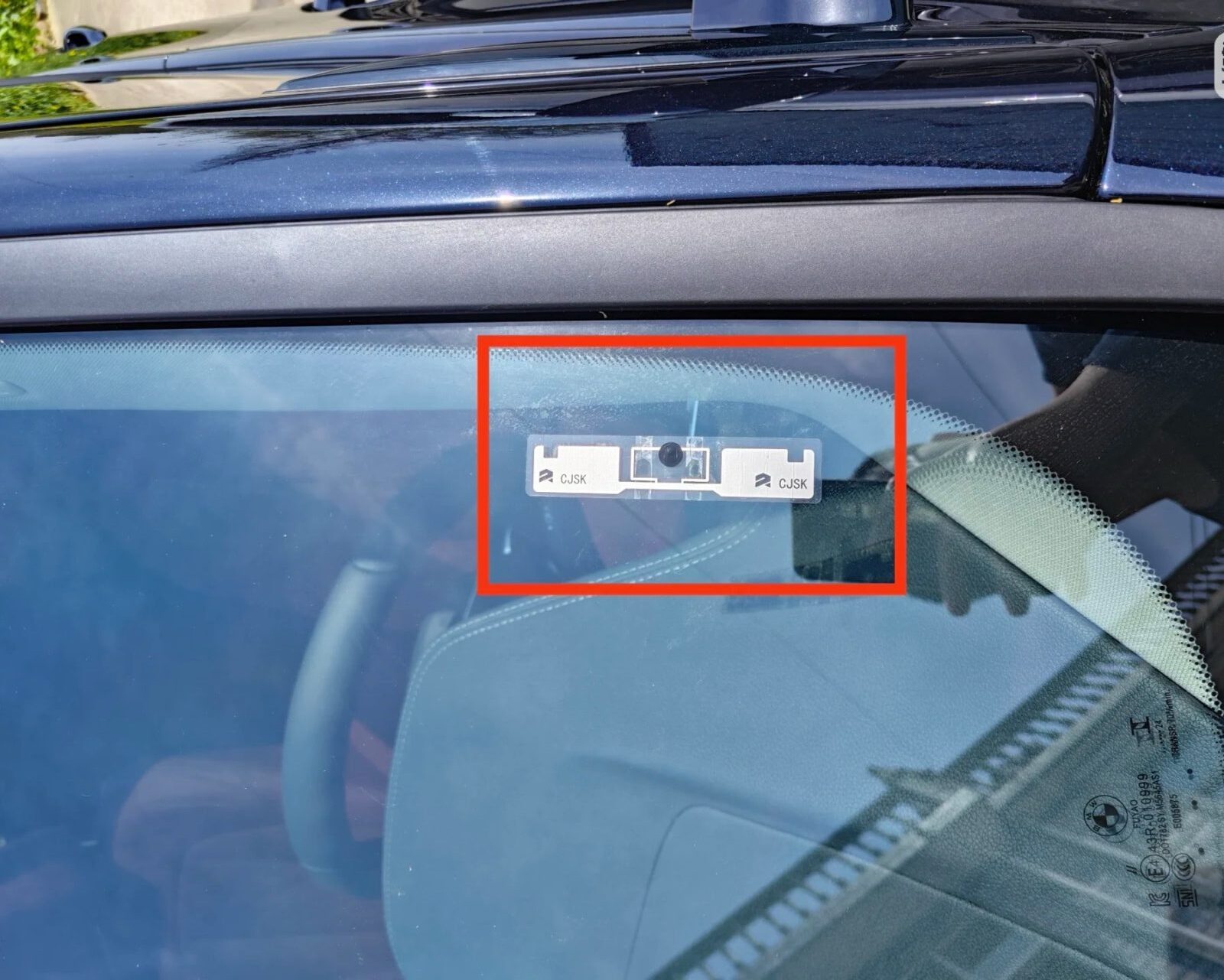
Although UHF is best known for labels on boxes and pallets in logistics, UHF cards are increasingly used in hands-free vehicle access, employee parking, gated communities, ski passes and event ticketing. A UHF windshield card can be read several metres before a car reaches the barrier, so the gate opens automatically without the driver stopping to present a card. UHF ID cards worn on a lanyard can be used to control access to yards and warehouses where it is inconvenient to tap a card on a reader.
n favourable conditions, UHF systems can:
- Read dozens or hundreds of tags per second
- Achieve read ranges of 1–8 metres in card form, sometimes more with optimised antenna design and line of sight
Performance, however, depends strongly on:
- Antenna design and orientation
- Reader power and configuration
- Local radio regulations (for example ETSI in Europe, FCC in North America)
- Presence of metal surfaces and liquids
UHF is best known from logistics and warehousing, where UHF labels are used on boxes, pallets and garments. UHF cards extend these benefits to people and vehicles. Typical UHF card use cases include:
- Hands-free vehicle access to corporate car parks and gated communities
- Access control for yards, depots and warehouses
- Ski passes and outdoor event tickets
- Staff badges for tracking entry and exit at large industrial sites
For example, a UHF windshield card can be detected a few metres before a vehicle reaches a barrier so the gate can open automatically without the driver stopping to present a card. Worn on a lanyard, UHF ID cards can control access to yards and loading bays where stopping to tap a reader would slow operations.
Because the frequency is higher, UHF is more sensitive to metal and liquids than LF or HF. Card construction, inlay design, mounting position and site layout all have a significant impact on performance. For projects that need both long-range tracking and close-range interaction with phones or readers, dual-frequency cards that combine UHF with HF/NFC in one card body are often a practical solution.
Choosing Between LF, HF and UHF RFID
When deciding which RFID technology to use, there are three main questions: what distance do you need, how secure must the system be, and what infrastructure already exists?
If you are replacing an old 125 kHz door system in a single building, LF cards might be the simplest choice because they remain compatible with the existing readers. However, if you are building a new corporate access and cashless payment solution, HF cards such as MIFARE DESFire offer much better security and can also support future mobile-wallet integration. For pure logistics and gate automation, UHF cards or windshield labels are usually the most practical because they support long-range reading and bulk identification.
Cost also varies. LF and basic HF cards are very affordable in large volumes. Secure HF and dual-frequency cards are more expensive but deliver more features per card. UHF cards can be inexpensive as simple identifiers, but the reader hardware and antenna installation is usually more complex. The right choice depends on the balance between budget, performance and security you need.
Typical Use Cases by Frequency
In everyday projects we see LF, HF and UHF cards each finding their natural niche. LF is gradually being phased out but still important in legacy door systems and animal ID. HF dominates transport, hospitality, education and payment because of its strong standards and security. UHF is the default for asset tracking, warehouse and vehicle access, especially when cards are used together with RFID labels on products, pallets and containers.
Many organisations now use a mix of technologies. A hotel might issue HF keycards for room access and UHF cards for staff vehicle parking. A university could combine HF student IDs for library and canteen payments with UHF badges for lab equipment tracking. The key is to design a clear architecture so that each frequency band is used where it makes the most sense.
| Frequency band | Typical read range with card reader | Key strengths | Main limitations | Typical card applications | Example scenarios |
|---|---|---|---|---|---|
| LF 125 kHz | 2–5 cm | Very robust near metal/water; simple, low-cost chips | Low data capacity; weak security; mostly proprietary | Legacy door access cards, simple ID badges, animal ID | Old office access cards; car park fobs; staff ID cards on older systems |
| HF 13.56 MHz (NFC) | 2–10 cm | Strong standards (ISO 14443/15693); good security; works with phones (NFC) | Short-range only; slower for bulk reading | Transport tickets, hotel keycards, campus & staff IDs, payment & loyalty cards | City travel cards, hotel room keys, student cards, contactless payment & gift cards |
| UHF 860–960 MHz | 1–8 m (with fixed reader & antenna) | Long read range; fast bulk inventory; low tag cost | More sensitive to metal/liquid; regional band differences (ETSI/FCC) | Vehicle access cards, warehouse & yard badges, toll & gate windshield cards | Hands-free gate entry, yard and warehouse access, RFID cards paired with pallet/box labels |
Typical deployment patterns and mixed systems
In everyday projects, each frequency tends to find its niche:
- LF remains important in older door systems and industrial environments where robustness matters more than advanced security.
- HF dominates transport, hospitality, education and corporate access because of its balance of security, interoperability and support in phones and banking systems.
- UHF is the default choice for asset tracking, warehouse and yard management and vehicle access, especially when cards are used together with UHF labels on products, pallets and containers.
Many organisations now use a mix of technologies:
- A hotel might issue HF key cards for room access and UHF cards for staff vehicle parking into the back yard.
- A university could combine HF student IDs for library access, cashless payments and printing with UHF badges for laboratory and equipment cage access.
- A logistics operator might use UHF windshield cards for trucks, UHF labels for pallets and cartons, and HF cards for staff building access and time and attendance.
The key is to design a clear architecture so that each frequency band is used where it makes the most sense, and the backend system ties all credentials together in a way that is easy to manage.
External Resources for Further Reading
For readers who want to go deeper into the technical standards and regulations, it is worth consulting the official documentation:
- The GS1 EPCglobal specifications explain the EPC Gen2 UHF standard used for long-range RFID in retail and logistics.
- The NFC Forum and ISO/IEC 14443 / 15693 standards bodies publish detailed information about HF and NFC card communication and security models.
These resources are written for engineers, but they are useful references when designing large-scale RFID card deployments.
How ForNext RFID Can Help
At ForNext RFID we manufacture LF, HF and UHF RFID cards, as well as dual-frequency and custom-printed solutions. Whether you are upgrading an existing access system, rolling out a new transport or loyalty card, or adding UHF cards to a logistics project, we can help you pick the right frequency, chip type and card body for your environment.
If you would like tailored advice for your project, you can link this article internally to your RFID card category page and invite readers to contact you for samples or a short consultation.

