

Introduction
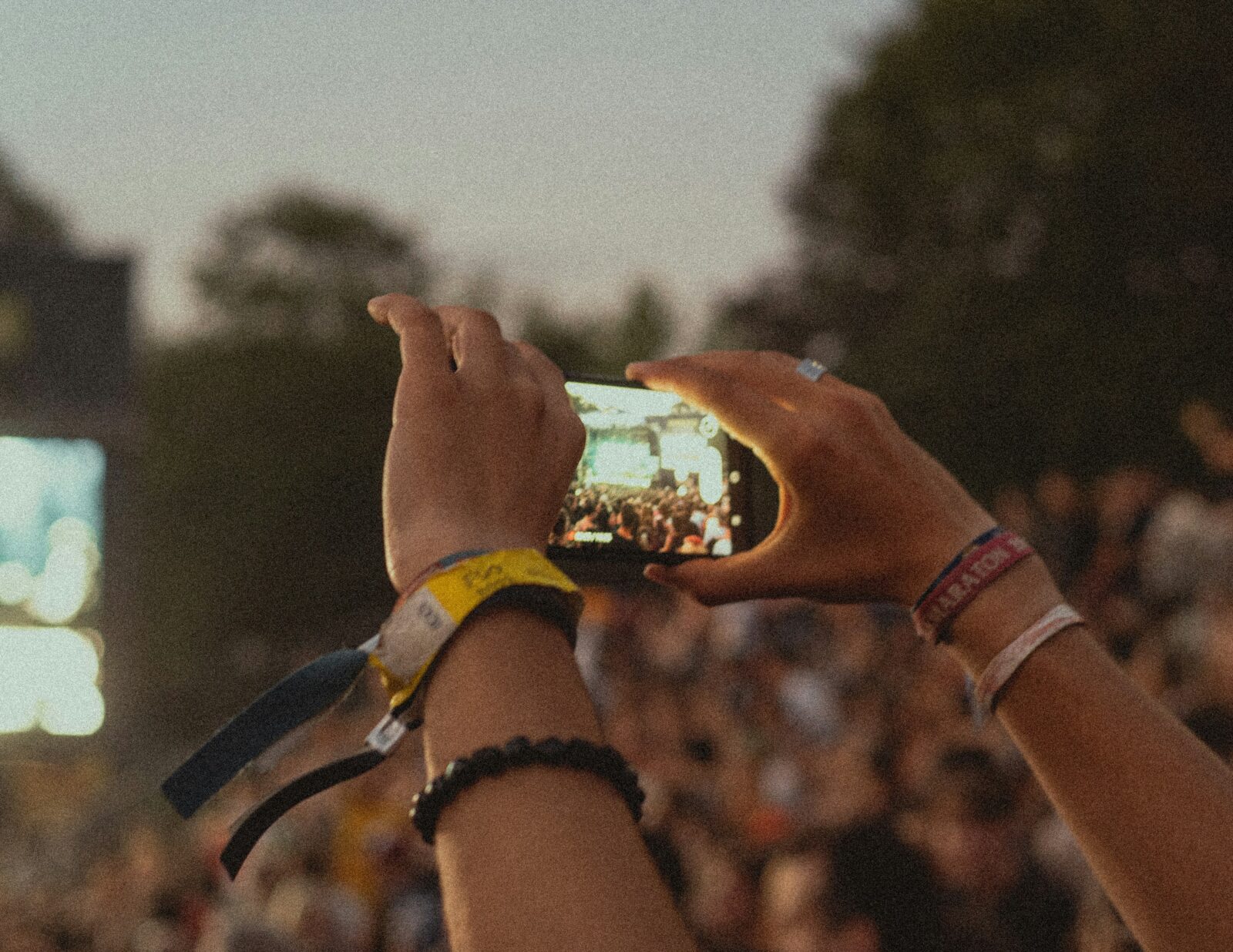
Technology is continuously reshaping how large gatherings are organized and enjoyed. One breakthrough in recent years is the adoption of RFID (Radio Frequency Identification) wristbands at events. These high-tech wristbands are more than just trendy accessories – they enable faster entry, cashless transactions, and richer interactions, transforming both the organizer’s operations and the attendee’s experience. In a world of growing festivals and live events, such innovations are timely. For instance, the global music festival market was valued at about USD 2.48 billion in 2022 and is projected to reach USD 8.55 billion by 2028 (22.9% annual growth)digitaljournal.com. This boom means event planners and venue managers are seeking smarter solutions to handle bigger crowds and higher expectations. RFID wristbands offer an innovative yet user-friendly way to meet these demands, enhancing security, convenience, and engagement at events of all sizes.
What Are RFID Wristbands for Events?
RFID wristbands are event wristbands embedded with small RFID chips and antennas that communicate wirelessly with scanners. In essence, they turn a simple band of Tyvek, fabric, silicone, or vinyl into a smart device for identification and payment. Each wristband carries a unique ID linked to an attendee’s profile or ticket. When the wristband is tapped or brought near an RFID reader, it instantly transmits its encoded information via radio waves. This allows for contactless and instantaneous interactions – a guest can be verified at the entrance gate or pay for a drink in a split-second by simply tapping their wristband. The beauty of RFID is that it doesn’t require line-of-sight like a barcode or QR code; the wireless scan is nearly automatic and frictionless.
RFID systems used in events typically operate on HF (High Frequency) 13.56 MHz (often compatible with NFC) for short-range use like admissions and payments. Some events use UHF (Ultra-High Frequency) tags for longer-range tracking (e.g. monitoring crowd flow from a distance). In both cases, the goal is the same: to streamline access and transactions. For example, instead of fumbling with paper tickets or phone QR codes at a concert, an attendee simply taps their RFID wristband; a green light or beep confirms entry and they walk in within seconds. Throughout the event, that same wristband can be used for everything from buying merchandise to checking into VIP areas. This all-in-one functionality makes RFID wristbands incredibly convenient for guests and powerful for organizers.
Key Components Behind the Scenes:
Implementing RFID wristbands at events involves a few core components working in unison
- RFID Tags (Wristbands): Each wristband contains a tiny RFID chip that stores a unique identifier (and possibly encrypted attendee data). These are often passive tags powered by the scanner’s signal.
- RFID Readers/Scanners: Devices placed at entry gates, points of sale, and checkpoints emit radio signals to detect and read the wristband chips. They verify the ID and relay the information to the backend system.
- Event Management Software: A central platform links everything together – it validates entries, processes payments, and records data in real time. This software updates attendee records as wristbands are scanned, enabling live tracking of attendance, sales, and movement.
Together, these components create a closed-loop system that replaces manual ticket checks and cash handling with automated scans and digital records. The result is a faster, more secure, and data-rich approach to event management.
Benefits of RFID Wristbands for Events Management
Switching from traditional paper tickets or simple QR codes to RFID wristbands can yield significant advantages for event organizers and attendees alike. Below are key benefits and how they solve common event challenges:
Faster Entry & Reduced Queues
Long lines at entry gates or attractions can dampen the mood at any event. RFID wristbands address this by enabling rapid, touch-and-go entry. An RFID scanner can validate a wristband in under a second, so crowds move through checkpoints much more quickly. In fact, RFID entry systems have been shown to cut admission lines by 40–60% on average. For example, one large stadium saw its entry rate jump from about 15 people per minute to 40 people per minute after adopting RFID access control. The ability to simply “tap and go” means attendees spend less time waiting and more time enjoying the event. Shorter queues not only improve the guest experience, but also reduce strain on staff managing the crowd flow.
Fraud Prevention
Ticket fraud and unauthorized entry are persistent issues for big events. RFID wristbands provide a robust solution by being extremely difficult to counterfeit or reuse. Each RFID tag is electronically encoded with a unique ID that is practically impossible to duplicate, unlike paper tickets or QR codes that can be copied or shared. Once an RFID wristband is activated for an event and scanned at the gate, the system marks it as used, and it cannot be reused by someone else. Organizers have reported dramatic drops in counterfeit tickets after moving to RFID. For instance, a UK music festival saw an 80% decrease in fraudulent entries once RFID wristbands were implemented. This level of anti-fraud protection ensures only valid ticket holders get in, safeguarding revenue and enhancing overall security.
Cashless Payments
Handling cash or credit cards in a crowded event can be inconvenient and slow. RFID wristbands enable a fully cashless payment experience. Attendees can preload funds into their wristband account or link it to a credit card, and then buy food, beverages, and merchandise with a quick tap of the wrist. This significantly speeds up transactions at concession stands and vendor booths, cutting down wait times for purchases. Studies have found that frictionless payments also encourage more spending – guests tend to spend 20–30% more on-site when using fast, cashless payment methods. For organizers and vendors, this means higher revenue per attendee and easier end-of-day accounting (since every sale is digitally tracked). Importantly, cashless RFID payments are also safer: guests aren’t carrying cash that could be lost or stolen, and staff don’t need to handle piles of cash, reducing errors and theft. In short, RFID wristbands turn every guest’s wrist into a secure digital wallet, enabling them to buy things effortlessly while keeping the money flow fully transparent for organizers.
VIP & Staff Access Control
Not all event areas are open to everyone, and RFID makes it simple to manage multi-tier access. Wristbands can be programmed with different access permissions for various attendee categories – such as general admission, VIPs, staff, artists, or press. A VIP’s wristband might unlock special lounges or backstage areas, while a staff member’s band grants entry to staff-only zones. Instead of checking badges or lists, scanners at restricted entrances will automatically validate if a wristband is authorized for that area. This streamlines security and prevents unauthorized access with less manpower. For example, a press pit or green room can be secured so that only those with the correctly coded wristbands can enter. The flexibility of RFID also lets organizers adjust permissions in real time (through the software) if roles or schedules change. Overall, RFID wristbands ensure that the right people are in the right places, improving safety and making crowd management more efficient.
Branding & Customization
Beyond their technical advantages, RFID wristbands also serve as a branding opportunity and souvenir. Event organizers can customize wristbands with event logos, vibrant colors, and sponsor branding. High-quality fabric or silicone RFID bands often become keepsakes that attendees wear long after the event – effectively turning them into walking advertisements for your brand or sponsors. This extended visibility can be valuable marketing exposure. Customizing the wristbands’ look and feel can also enhance the event’s image; for instance, a sleek, well-designed wristband signals a modern, premium experience to attendees. Some events even integrate interactive features with branding – like tapping the wristband at a sponsor’s booth to participate in a contest or activate a social media post, combining engagement with promotion. The versatility in design and use of RFID wristbands means they’re not just functional, but also an innovative branding tool that can reinforce the event’s theme and partnerships.
Data Insights & Analytics
Every time an RFID wristband is scanned, it generates data. Over an event, these data points accumulate into a wealth of analytics on attendee behavior. Organizers can see in real time how many people have entered, which zones are busiest, how attendees move through the venue, what they purchase, and how long they stay. For example, RFID data might reveal that the food trucks near Stage B had twice the foot traffic of those by Stage A, or that most VIP guests checked in before 8 PM. Such insights allow event managers to make informed decisions: adjusting staffing or resources on the fly, opening additional concessions where lines are long, or even triggering safety protocols if one area gets overcrowded. Post-event, the data is invaluable for planning improvements. Knowing what attractions were most popular or the peak entry times helps in designing better layouts and schedules for future events. Marketing teams can leverage purchase and attendance patterns to tailor promotions or reach out to attendees with personalized offers. In short, RFID wristbands provide real-time and post-event analytics that were hard to capture with paper tickets. These insights lead to continuous optimization of the event experience and can dramatically improve operational decision-making.
Better Guest Experience
Ultimately, all the above benefits translate into a better overall experience for attendees. When guests enter quickly without hassle, never worry about fake tickets, pay easily with a tap, move freely where they’re allowed, and enjoy personalized perks, they are likely to have a more enjoyable and memorable time. Convenience is a big factor in customer satisfaction. By removing pain points like long lines, cumbersome payments, and security holdups, RFID technology lets people focus on the fun parts of the event. Attendees can immerse themselves in the music, game, or attractions, rather than dealing with logistics. For event organizers, a happier guest means positive feedback, increased loyalty, and a greater chance they’ll return next time. In fact, events that have adopted RFID often report higher attendee satisfaction scores and more engagement on-site. For example, major festivals using RFID have noted that fans feel the event is more modern, interactive, and well-run. In an age where experience is everything, RFID wristbands help deliver a seamless, high-tech guest journey that reflects positively on the event’s brand.

Types of RFID Wristbands for Events
Not all RFID wristbands are the same – they come in a variety of materials and styles suited to different event needs. The choice of wristband type can depend on factors like event duration, budget, attendee comfort, and whether the bands need to be reusable. Here are the most common types of RFID wristbands and their characteristics:
Tyvek RFID Wristbands
Tyvek wristbands are made from a paper-like synthetic material (developed by DuPont) that is lightweight but water-resistant and durable for short-term use. Tyvek RFID wristbands are typically disposable and the most budget-friendly option, often costing only a few cents each in bulk. This makes them ideal for single-day events or large-scale happenings where cost is a major concern (e.g. one-day concerts, school carnivals, community festivals). They can be printed with simple logos or text. The RFID chip is embedded in the Tyvek band, allowing secure access or cashless payment on a shoestring budget. However, Tyvek bands are not very long-lasting – they can tear or wear out after a day or two. They also have limited security features (once removed, they can’t be re-worn easily, which helps prevent transfer). In summary, Tyvek RFID wristbands are a cheap, single-use solution best suited for short events where each attendee only needs the wristband for a limited time.
Fabric RFID Wristbands
Fabric wristbands (often woven cloth) are a popular choice for multi-day festivals and high-end events. These bands are durable and comfortable, designed to be worn for several days or even weeks. A small RFID tag (often a capsule or smart card) is attached or woven into the fabric. Fabric RFID wristbands are highly secure and difficult to counterfeit – they usually come with a locking clasp that, once tightened on the wrist, cannot be removed without cutting the band. This makes them perfect for big music festivals and concerts where attendees might camp on-site or attend multiple days. In fact, famous festivals like Coachella and Tomorrowland rely on woven fabric RFID wristbands for their tens of thousands of attendees. The cost is higher than Tyvek (often around $0.50 to $1+ per band depending on customization), but in return organizers get a sturdy, full-color branded item. Fabric bands can be printed or woven with intricate designs, sponsor names, and are often kept as collector’s items by attendees. Their longevity and premium feel make them a great choice when you want the wristband to double as a souvenir and advertising that lives on after the event.
Silicone RFID Wristbands
Silicone wristbands are molded rubber-like bracelets (similar to the popular charity wristbands) that can house an RFID chip. They are waterproof, reusable, and very durable, which makes them ideal for scenarios where the same person might use the wristband repeatedly. Common uses include waterparks, resorts, gyms, or season passes for venues. For example, a waterpark might issue silicone RFID bands to season ticket holders or hotel guests, allowing them to access the park, lockers, and rides for the length of their stay. Because they can withstand water and sweat without damage, silicone bands are also perfect for swimming pools, beaches, or rainy day events. They tend to be a bit more expensive ($1 or more each) but can be collected back and reused for future events or repurposed for other attendees. Silicone RFID wristbands also lend themselves to interesting shapes and branding – they can be made in different colors with debossed or printed logos, even formed into custom shapes for promotional purposes. Overall, this type is a long-term, eco-friendly option since it isn’t one-and-done. Many operations that prioritize sustainability or high-end guest experiences choose silicone bands for the comfort and reusability they offer.
PVC/Vinyl RFID Wristbands
Vinyl (PVC) wristbands strike a balance between disposable and durable. These are made of a soft plastic material and often come in a wrap-around band with a snap closure. Vinyl RFID wristbands are waterproof and a bit tougher than Tyvek, so they can last for several days without breaking, but they are still intended for one-time use by a single person. They tend to be mid-range in cost, more expensive than Tyvek but cheaper than woven fabric or silicone. This makes them suitable for mid-tier events or multi-day uses, such as a 2-3 day conference, an amusement park multi-day pass, or a weekend sports tournament. Vinyl bands can be printed with branding and often come in bright colors. Some have built-in anti-tamper features – for instance, a vinyl wristband might use a one-way snap that prevents it from being removed without cutting, which stops attendees from swapping bands. In practice, PVC RFID wristbands are valued for being comfortable and secure for short-term use. They can tolerate outdoor conditions (sweat, rain, water rides) better than Tyvek, so they’re often used for waterparks and beach events when a fully reusable band isn’t necessary. If you need a cost-effective wristband that lasts the whole event but not much longer, vinyl is a great choice.
(Aside from these, there are also specialty RFID wearables, from plastic cards to keychains and even wearable LEDs. But for the scope of events, the above wristband types are the most prevalent.)
RFID Wristbands vs. Paper Tickets & QR Codes
How do RFID wristbands compare to traditional ticket methods? In short, RFID offers a more efficient and secure system than paper tickets or simple barcode/QR code scans. Here’s a quick comparison on key points:
- Speed & Convenience: Paper tickets or mobile QR codes often require manual scanning and can suffer from slow camera focus or connectivity issues. RFID, on the other hand, works via instant radio-frequency reads – a tap is processed in about a second, and it doesn’t depend on Wi-Fi or perfect lighting. This means faster check-ins and fewer technical holdups.
- Security & Fraud: Regular tickets (especially printed PDFs or QR codes) can be copied, shared, or tampered with. It’s easy for someone to duplicate a barcode or use a screenshot of someone else’s code. RFID chips carry encrypted, unique IDs that cannot be cloned; once activated and tied to one guest, they’re not shareable. This virtually eliminates counterfeit tickets.
- Durability: Paper can tear, and phone screens can crack or die at the wrong moment, preventing scans. By contrast, RFID wristbands are waterproof and rugged. They keep working through rain, sweat, and multi-day wear-and-tear. There’s no concern about a barcode smudging or a ticket getting soggy. If a wristband is lost (which is rare since it’s worn securely), organizers can deactivate it and issue a replacement – far simpler than dealing with lost paper tickets.
- Guest Experience: Traditional tickets are one-dimensional and frankly old-fashioned in today’s tech-savvy world. RFID bands provide a seamless, modern experience – attendees can just tap and go, which feels more like using a VIP pass than a ticket stub. The wristband adds a tech-forward vibe to the event that many guests find cool and convenient. There’s also an emotional element: a branded wristband on your arm can build excitement and a sense of belonging at the event, versus a paper ticket that stays in your pocket.
- Spending & Revenue: With paper or QR code tickets, once guests are inside, the ticket’s job is done – it doesn’t help them buy things. They still have to use cash or cards, which slow down purchases. RFID wristbands double as cashless payment tools, leading to faster service and more impulse buys. Industry reports show that faster, cashless payments can boost guest spending significantly (often on the order of 20% or more). For event organizers, this means higher per-capita revenue compared to a traditional setup.
- Branding & Data: A paper ticket might have a logo printed on it, but it usually ends up in the trash. A nicely designed RFID wristband is continual branding worn by the attendee, and often kept as a souvenir. Moreover, unlike a paper ticket, an RFID system gives organizers real-time data (entries, exits, purchases) that paper can’t provide. This data can be crucial for decision-making and post-event analysis, as discussed earlier.
In summary, while paper tickets and QR codes served their purpose in the past, RFID wristbands provide an upgrade on every front: speed, security, durability, interactivity, and intelligence. It’s a shift from a one-time entry token to a multi-purpose platform for the entire event lifecycle.
Real-World Case Studies
RFID wristbands aren’t just theoretical; they’ve been deployed at many events with great success. Here are a few real-world examples across different event types demonstrating the impact of RFID technology:
Music Festivals
Large music festivals were among the pioneers of RFID wristband adoption. Events with 50,000+ attendees now routinely use RFID for admission and on-site purchase. For example, Coachella, one of the world’s most famous festivals, has used RFID wristbands for years. This has enabled seamless entry, cashless payments, and interactive features, greatly enhancing the fan experience. Coachella’s RFID system is praised for reducing wait times at gates, preventing ticket fraud, and creating a more personalized experience for attendees. Similarly, Europe’s Tomorrowland festival uses RFID fabric wristbands to not only control access but also encourage social media sharing and participation in sponsored activities, making the event more immersive. The numbers back up the benefits: festivals that switched to RFID report outcomes like faster entry processing, 80% fewer fraud incidents, and increased concession sales (one festival saw around 20% higher on-site revenue after going cashless). RFID has essentially become standard at major festivals worldwide – from Glastonbury to Lollapalooza – as it’s now seen as critical for managing huge crowds smoothly.
Sports Stadiums
Sports venues and tournaments have started leveraging RFID wristbands to upgrade the fan experience and security. For instance, some football and soccer stadiums issue RFID-enabled season ticket cards or wristbands to fans. These allow quick entry at turnstiles and can double as a payment method for buying food and merchandise in the stadium. One notable trial at a large American university’s NFL stadium (for college football games) showed that using RFID scanning at entry gates dramatically increased throughput from 15 to 40 people per minute – meaning far fewer lines at kickoff. Sports organizers also use RFID to create loyalty programs: e.g. a season pass wristband might automatically give discounts at the team store or earn points when scanned at concession stands. This not only rewards fans but also gives the club data on attendance patterns and spending. Additionally, RFID’s anti-counterfeit strength is valuable in sports where ticket scalping and fake tickets can be a problem for big games. By switching to RFID-only entry, venues ensure that each ticket is genuine and tied to one fan, preventing duplicate entries. Overall, RFID wristbands (or cards) in stadiums lead to smoother entry, more fan spending, and tighter security, creating a better game-day flow for thousands of supporters.
Amusement Parks & Waterparks
Theme parks were early adopters of wearable RFID technology to create all-in-one guest passes. A prime example is Disney’s MagicBand system, a colorful RFID wristband used at Walt Disney World resorts. The MagicBand serves as the guest’s park ticket, hotel room key, fast-pass for rides, and digital wallet for purchases – all in one device. This streamlined approach means guests can enter parks, unlock their hotel door, and buy a Mickey-shaped pretzel with just a tap of their band, no fumbling for paper tickets or cash. The convenience and “magic” of this system have become a core part of the Disney experience. Many other amusement parks have followed suit with similar RFID wristbands for entry and cashless payments.
Waterparks especially benefit from RFID wristbands because they are waterproof and remove the need for guests to carry wallets or phones around wet areas. Visitors can load up a prepaid balance and then leave all valuables in a locker, enjoying slides and pools worry-free. With an RFID band, they simply tap to rent a locker, buy food, or even access different zones. Operators like Great Wolf Lodge use RFID bands as hotel room keys and charge cards, so guests in swimsuits can pay for things without physical money. One case study noted that RFID systems in waterparks cut queues significantly (by over 50% in some parks) because of faster transactions, and even reduced theft incidents since less cash is in circulation. Furthermore, the data collected helps parks understand popular attractions and visitor flow. In summary, from Disneyland to local waterparks, RFID wristbands are making leisure outings more convenient, increasing guest spending, and simplifying operations (no soggy tickets!). They exemplify how technology can remove friction from fun experiences.
Corporate & Private Events
RFID wristbands aren’t limited to entertainment – they’re also used in corporate conferences, trade shows, and private events like large weddings or galas. For a multi-thousand attendee conference or expo, RFID badges or wristbands can speed up check-in much like festivals, but they also enable smart networking and lead capture. For example, exhibitors can scan an attendee’s RFID badge/wristband to automatically capture their info (with permission) instead of exchanging business cards. Attendees might tap their wristband at seminar doors for quick entry, which also logs their interest in that topic for post-event follow up. VIP receptions at conferences can be secured via RFID wristbands given only to authorized guests, ensuring exclusivity. On the organizer side, the data from RFID can show which booths or sessions had the most traffic, helping measure ROI for sponsors and guiding future event programming. Private events like festivals or parties use RFID for guest list management – imagine sending out stylish RFID wristbands as invitations that only grant access to those invited. This adds a high-tech touch and prevents plus-ones from sneaking in. Organizers of high-profile parties have used this method to keep events secure yet convenient at the door. Overall, in professional settings, RFID wristbands provide a polished, efficient system to manage attendees, gather insights, and elevate the guest experience (no one likes standing in line at a gala in formal attire). They allow hosts to focus on content and hospitality, not manual logistics.
FAQs on RFID Wristbands for Events
Q: Can RFID wristbands be reused for multiple events?
A: It depends on the material and design. Silicone and some fabric RFID wristbands are reusable – they can be reprogrammed for new events or used as season passes. These are great for recurring use cases like annual festivals or theme park passes. In contrast, Tyvek and one-time snap vinyl bands are meant for single-use. Once you put them on and cut them off, you cannot reattach them. Organizers focused on sustainability often collect back fabric or silicone bands to recycle or reuse, whereas disposable bands are used when low cost and one-time security (non-transferability) is the priority.
Q: Do RFID wristbands work with smartphones (NFC)?
A: Yes, many event RFID wristbands operate on HF 13.56 MHz, which is the same frequency as NFC (near-field communication). NFC-enabled phones can interact with those wristbands. For instance, an attendee might tap their NFC phone to their wristband to load more funds or check their balance via a companion app. Some events allow attendees to link their wristband with a mobile app by simply scanning it with their phone’s NFC reader. However, the functionality depends on the event’s software – the phone won’t automatically read the wristband unless an app or system is set up to use that feature. In any case, the underlying tech is compatible, effectively making the wristband another form of contactless device like a credit card or transit card.
Q: How secure are RFID wristbands – can the data be stolen?
A: RFID event systems are generally very secure. The data on the wristband is usually just a unique ID number, not your personal details or credit card info in plain text. That ID links to a secure database which holds the actual attendee information. The RFID chip’s communication can be encrypted to prevent eavesdropping. Also, the short range of most event wristbands (a few centimeters for HF/NFC) means someone would have to be extremely close to even attempt reading it. It’s much harder to “steal” data from an RFID wristband than, say, skim a credit card magnetic strip. Organizers work with experienced RFID solution providers who implement security protocols to guard against cloning or intercepting signals. In practice, incidents of RFID wristband hacking at events are exceedingly rare – the system is considered safe. As a precaution, if a wristband is lost or suspected compromised, staff can immediately deactivate it in the system, rendering it invalid.
Q: What happens if someone loses their RFID wristband during the event?
A: Most events have protocols in place for lost wristbands. If a guest loses their RFID wristband, they should report it to event staff or customer service. The staff can deactivate the lost wristband in the system so that it can’t be misused by anyone who might find it. Then, the guest is typically issued a replacement band after a verification of their identity/ticket purchase. The new wristband can be linked to the attendee’s profile and reloaded with any remaining balance or credentials from the old one. This process is analogous to canceling a lost credit card and getting a new one. It’s one reason RFID systems are superior – if you lost a paper ticket, it’s gone and someone else could use it, but with RFID the organizer can protect the guest by invalidating the lost device. Some events might charge a small fee for replacement to discourage careless loss, but the key point is that losing a wristband doesn’t mean losing your access or money; it can be resolved quickly by event support.
Final Thoughts
RFID wristbands have emerged as a game-changer in the events industry, bringing efficiency, security, and interactivity to new heights. For event planners and technical procurement managers, adopting RFID is not just a trendy tech upgrade – it’s a strategic move that can streamline operations and elevate attendee satisfaction. From the moment guests arrive to the time they leave, RFID technology helps create a frictionless environment: fast entry, easy payments, better crowd control, and rich data insights all work together to deliver a standout event. In addition, RFID solutions can foster creativity (through custom branding and interactive experiences) and support sustainability goals (by enabling reusable systems and reducing paper waste).
In an era where attendees value convenience and experiences more than ever, RFID wristbands provide a friendly and innovative solution that meets those expectations. They allow organizers to focus on crafting memorable moments rather than managing logistics with manual methods. As the events landscape continues to grow and evolve, one thing is clear: paper tickets and long queues are relics of the past. RFID wristbands – with their proven benefits in festivals, stadiums, parks, and beyond – are quickly becoming the new standard for modern events. Embracing this technology can help ensure your event not only runs smoothly and securely, but also leaves a lasting positive impression on your attendees. In the competitive and fast-paced world of events, RFID is a powerful tool to stay ahead and deliver the exceptional experiences people will remember.

