

Hospital RFID is revolutionizing smart healthcare. Smart hospitals are adopting digital solutions like RFID to ensure safety, compliance, and operational efficiency. This creates risks—misplaced medical devices, delayed treatments, and identification errors. RFID (Radio Frequency Identification) technology addresses these challenges, supporting safer, more compliant and more efficient healthcare operations.
Challenges in Hospital Asset Tracking
Hospitals must manage thousands of mobile assets every day, from infusion pumps and wheelchairs to blood bags and linens. Manual processes and barcodes often fall short.
The scale of the problem
- Equipment misplacement – Hospitals misplace or lose 10–20% of mobile assets annually, driving unnecessary rental or replacement costs.
- Manual stock counts – Barcode scans require line of sight and individual handling, draining staff time.
- Limited visibility – Without real-time monitoring, utilisation rates fall, leading to underused or unavailable equipment.
RFID in healthcare asset tracking enables automatic location updates, ensuring devices are traceable, properly allocated and always available when needed.
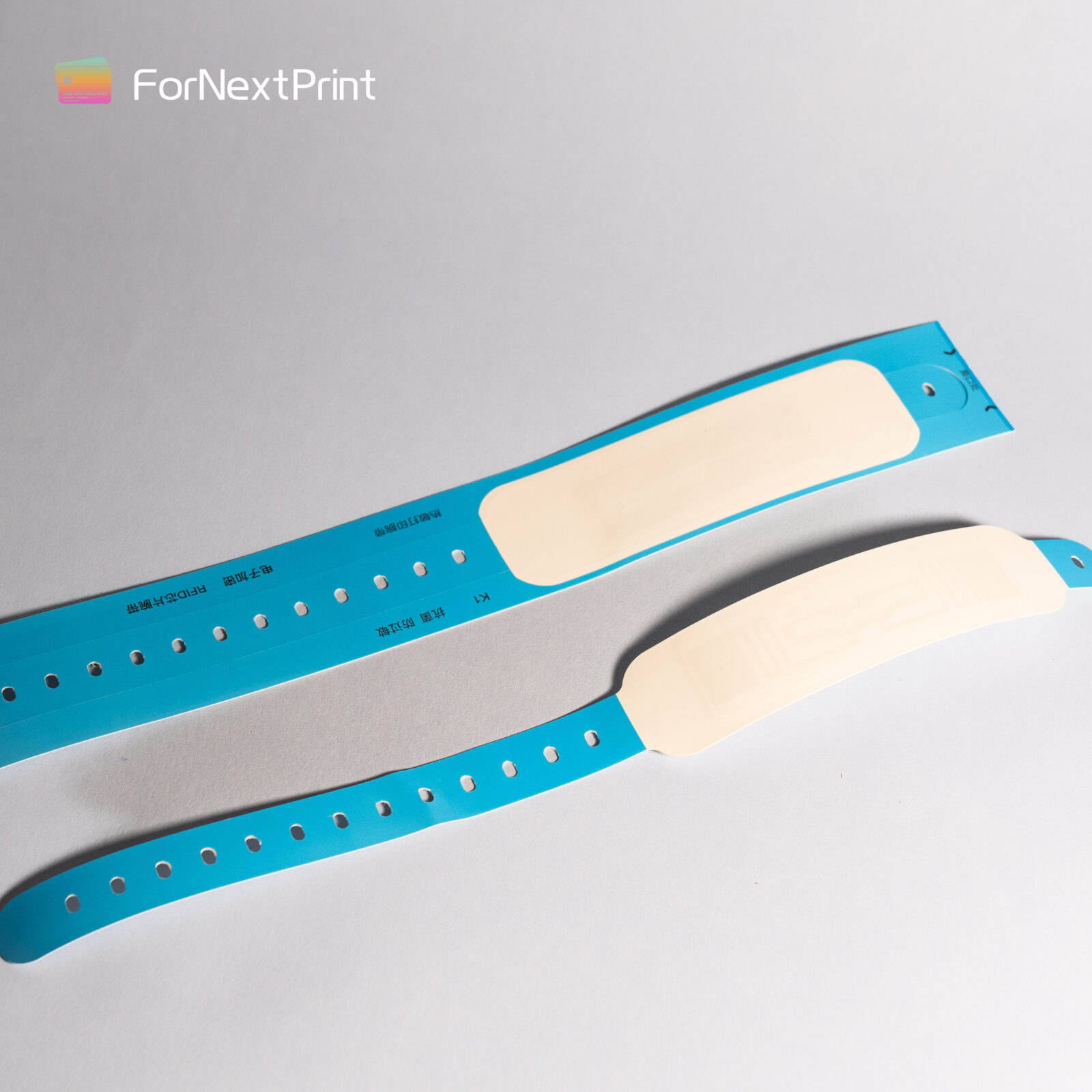
Hospital RFID Wristbands for Patient Safety
Patient misidentification remains one of the most serious risks in healthcare. RFID wristbands directly support RFID patient safety by eliminating manual errors.The benefits of hospital RFID include
- Accuracy – Each RFID wristband contains a unique ID linked to electronic health records.
- Error reduction – Trials have shown RFID wristbands can reduce medication and transfusion errors by up to 60%.
- Compliance – RFID wristbands align with hospital safety protocols and regulatory requirements, strengthening overall patient safety standards.
This ensures patients receive the right treatment at the right time, supporting RFID hospital compliance initiatives. Learn more about RFID Wristband.
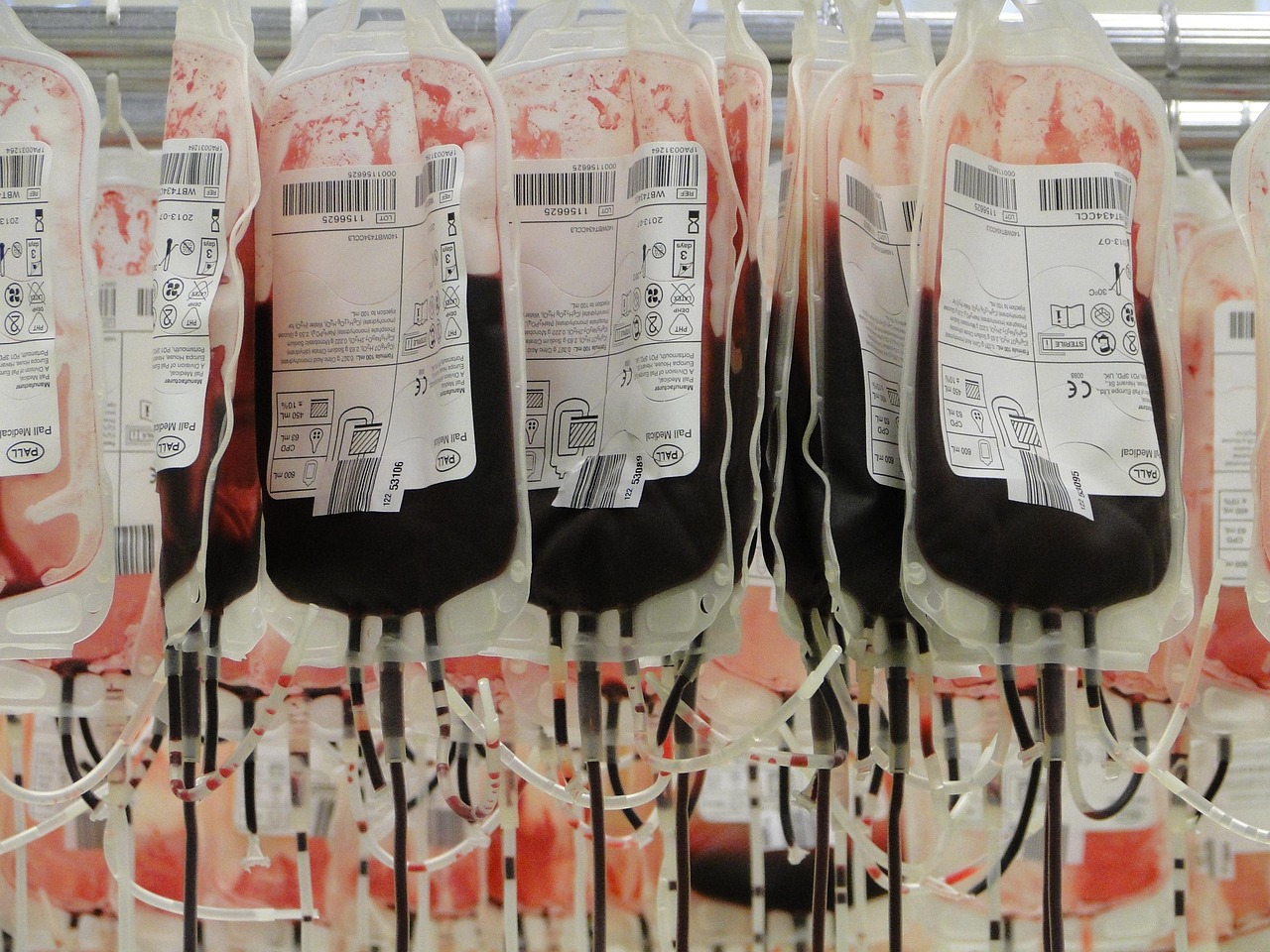
Anti-Liquid RFID Tags for Medical Tubes and Blood Bags
Liquid-filled items create specific tracking challenges. Anti-liquid RFID tags are engineered to function reliably in high-moisture environments, providing stability where standard tags fail.
| Application | RFID Solution | Benefit |
|---|---|---|
| Blood bags | Anti-liquid RFID tags | Full traceability from donor to patient |
| IV/medical tubes | Flexible anti-liquid | Accurate reads despite condensation |
| Healthcare logistics | Anti-liquid RFID tags | Reduces waste and ensures compliance |
Hospitals using RFID-tagged blood bags report improved traceability and fewer expired units, reducing clinical risks. Learn more about on liquid labels On-liquid RFID Label
Hospital RFID Temperature Monitoring for Pharmaceutical Logistics
Maintaining the cold chain is essential for pharmaceuticals, vaccines and biologics. Temperature RFID tags integrate sensors that continuously log and transmit data.
- Accuracy – Monitors ranges from -30°C to +50°C.
- Visibility – Provides real-time alerts if temperature thresholds are breached.
- Compliance – Ensures adherence to regulations such as MHRA guidelines in the UK and EU GDP standards.
For hospitals and distributors, this means fewer product recalls, reduced waste and better patient outcomes. Learn more about Temperature Monitor label Temperature RFID Label
Benefits of RFID for Smart Hospitals
Safety
- Patient identification errors fall significantly with RFID wristbands.
- Critical assets are always traceable, reducing delays in treatment.
- For example, according to NHS Digital, hospital RFID systems have been shown to improve patient safety and operational efficiency.
Compliance
- Automated audit trails support RFID hospital compliance with strict medical regulations.
- Provides transparent documentation for regulators and insurance providers.
Efficiency
- Staff time spent searching for equipment is reduced by up to 30–40%.
- RFID-enabled inventory management accelerates audits and stocktaking.
Reduced Waste
- Eliminates avoidable loss of equipment.
- Minimises expired blood bags and medicines.
Frequently Asked Questions
Q1: Can RFID integrate with hospital information systems (HIS/ERP)?
Yes, hospital RFID systems integrate easily with HIS/ERP platforms, ensuring seamless data flow between patient records, inventory systems and compliance reporting.
Q2: What is the ROI timeline for RFID in hospitals?
Depending on scope, most hospitals achieve ROI within 12–24 months through reduced equipment loss, lower rental costs, and staff time savings.
Q3: Are RFID tags suitable for sterilisation?
Yes. RFID tags are available in medical-grade plastics and can withstand autoclaving, chemical sterilisation or gamma irradiation.
Q4: How much do RFID wristbands and tags cost?
In bulk, patient wristbands and standard asset tags cost only a few pence each. Advanced sensors (e.g. temperature RFID tags) cost more, but the savings from compliance and reduced waste outweigh the initial expense.
Take the Next Step
At ForNext RFID, we produce over 200 million RFID tags annually, including patient wristbands, anti-liquid blood bag labels, and temperature-sensitive tags for pharmaceutical logistics. All products are Voyantic-tested, CE/ISO certified, and compliant with healthcare regulations. With a UK-based team, we provide local support, fast lead times and after-sales service.
📩 Contact us today to request free samples, download our healthcare case study, or book a consultation to see how RFID can transform your hospital into a smarter, safer environment.

