

RFID in logistics and packaging is transforming how businesses manage returnable assets, streamline operations, and reduce shrinkage across supply chains. Yet, many businesses—whether hotels managing linen, hospitals handling sterile packaging, or logistics firms tracking pallets—still rely on barcodes and manual processes. These methods often result in scanning delays, human error, and lack of visibility. RFID (Radio Frequency Identification) tags offer a powerful alternative, enabling real-time asset tracking and seamless packaging control.
Benefits of RFID in Logistics and Packaging
Barcodes vs RFID in Logistics and Packaging – Feature Comparison
Barcodes remain widely used, but they fall short in fast-paced environments. They require line-of-sight scanning, are prone to damage, and can only be read one at a time. In contrast, RFID tags can be scanned automatically in bulk, without line of sight.
| Feature | Barcodes | RFID Tags (Logistics & Packaging) |
|---|---|---|
| Scanning | Manual, line of sight | Automatic, no line of sight |
| Speed | One at a time | Dozens per second |
| Durability | Easily damaged by wear or dirt | Resistant to moisture, chemicals |
| Data Storage | Static, limited | Dynamic, rewritable |
This difference is more than technical. A study on returnable transport items (RTIs) found annual shrinkage rates of up to 25%, costing millions in replacement purchases. RFID asset tracking reduces such losses by providing full accountability, ultimately lowering operating costs.
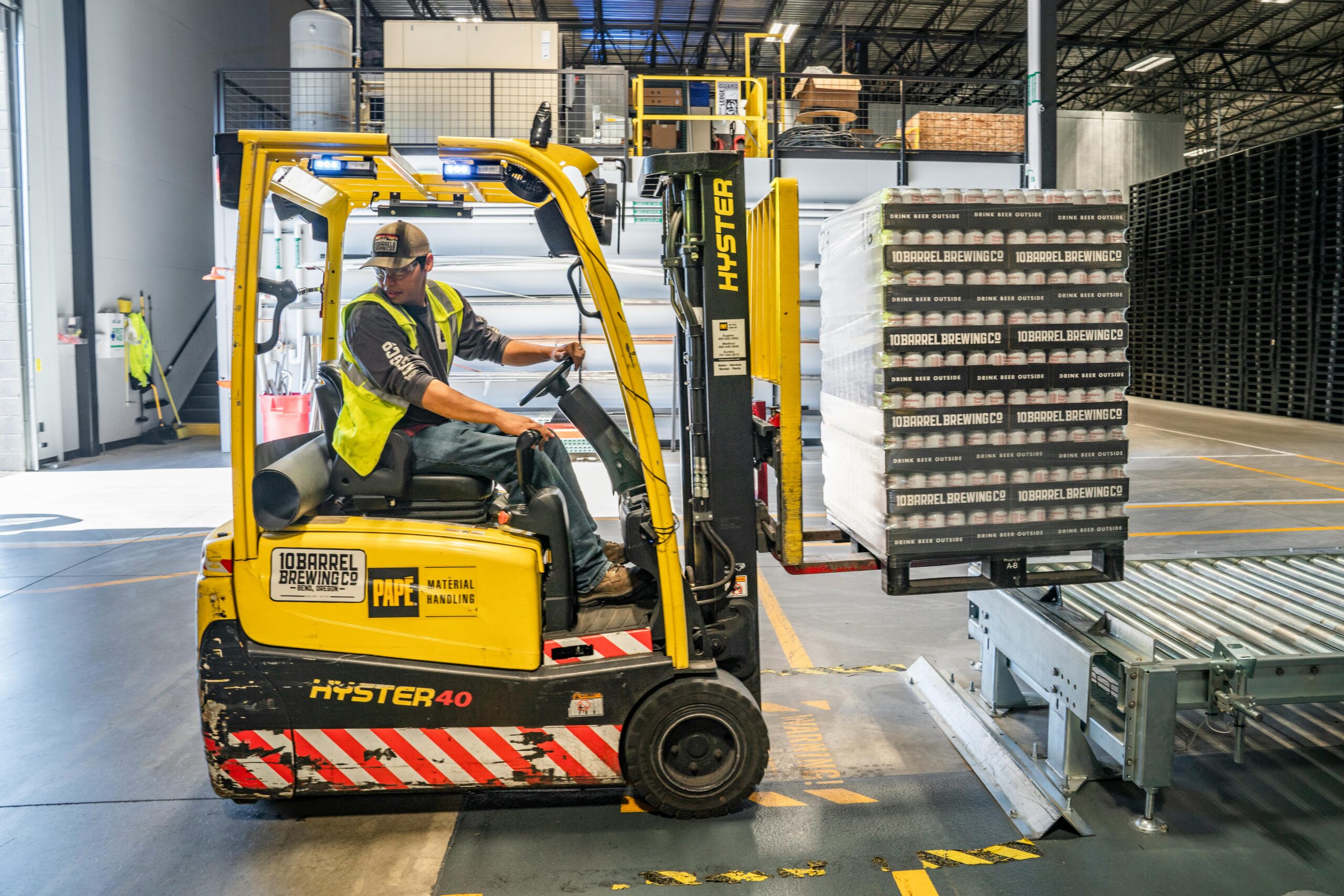
On-Metal RFID for Containers and Pallets
Traditional RFID labels often fail on metallic surfaces due to signal interference. For packaging and logistics operators, this has been a major barrier—until the development of on-metal RFID labels. These labels use flexible substrates and tuned antennas, ensuring stable performance on metal containers, pallets and cages.
For example, a European dairy cooperative reduced annual roll-container losses by 7.5% after introducing RFID-based pallet tracking. For logistics firms, this translates into fewer emergency purchases and leaner inventories. For hospitals, it ensures critical medical carts and sterile packaging are never misplaced. For hotels, it simplifies linen distribution across sites without relying on error-prone manual audits.
How RFID Improves Warehouse and ERP Efficiency
RFID Integration with Warehouse Management Systems
The true value of RFID logistics solutions lies in integration with Warehouse Management Systems (WMS) and Enterprise Resource Planning (ERP). Fixed RFID readers at loading docks can automatically update dispatch records, while handheld readers help staff instantly locate misplaced pallets or hospital supply carts.
This level of automation provides:
- Regulatory compliance: Full audit trails for industries such as food, pharmaceuticals and healthcare logistics.
- Lower labour costs: Automated scans replace manual paperwork.
- Fewer errors: Mis-picks and shipping mistakes are drastically reduced.
Hotels and laundries, for instance, can combine laundry RFID labels with their ERP to monitor linen usage across properties, cutting replacement costs and improving turnaround time.
How RFID Integrates with ERP and WMS
- Real-time visibility: Inventory updates occur as soon as tagged assets move in or out.
- Cross-location tracking: Assets can be traced across warehouses, hospitals or hotel sites.
- Predictive insights: When combined with analytics, RFID data supports demand forecasting and route optimisation.

Future Trends in RFID Asset Tracking
The logistics and packaging sector is moving towards RFID as a default standard for visibility. Several trends are shaping the future:
- Eco-friendly RFID packaging: Biodegradable and paper-based RFID labels reduce environmental impact, helping brands meet sustainability goals.
- Cold chain tracking: Temperature-sensitive RFID labels already monitor blood bags, vaccines and perishable foods, ensuring compliance and safety.
- Smart packaging: RFID-LED labels allow warehouse staff to locate items quickly, reducing search time and improving efficiency.
These developments show that RFID is no longer limited to asset tagging—it is becoming an enabler of predictive, data-driven logistics.
Frequently Asked Questions
Q1: Will RFID completely replace barcodes?
Not immediately. Many firms adopt hybrid systems—using barcodes for low-value items and RFID for high-value or high-volume assets.
Q2: Are RFID packaging labels expensive?
No. Costs have dropped significantly. In high volumes, UHF RFID labels can cost only a few pence, far less than the losses caused by shrinkage or mis-shipments.
Q3: Which industries see the best ROI from RFID asset tracking?
Food and beverage, healthcare, pharmaceuticals, automotive and retail are among the fastest adopters, with payback periods often under three years.
Take the Next Step
At ForNext RFID, we produce over 200 million RFID tags annually, covering eco-friendly packaging labels, printable on-metal tags, laundry RFID, and cold chain solutions. All products are Voyantic-tested and CE/ISO certified. With a UK-based team, we provide local support, fast lead times, and reliable after-sales service. Explore more in our RFID retail and apparel solutions
📩 Contact us today to request free samples, book a demo, or discuss how RFID can transform your logistics and packaging operations.

